
History and Significance of Hue Imperial City by Ovuigo
The Hue Imperial City stands as a monumental achievement in Vietnamese history. Conceived by Emperor Gia Long in 1804, the city became the heart of the Nguyen dynasty, the last imperial rulers of Vietnam. Built along the banks of the Perfume River in Thua Thien Hue province, the citadel was more than just a residence. It was the epicenter of political, cultural, and spiritual life during the imperial era. The city’s strategic layout and robust fortifications symbolized both defense and centralized governance. Over generations, the Imperial City became a living testimony to the resilience and creativity of the Vietnamese people, persisting through wars and natural adversities. Its stature as a royal seat helped reinforce Hue’s status as a cradle of Vietnamese heritage, drawing scholars, artists, and mandarins from all corners of Central Vietnam By Ovuigo.
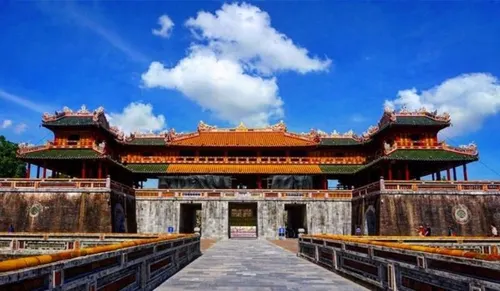
Architectural Marvels and Layout of the Hue Citadel by Ovuigo
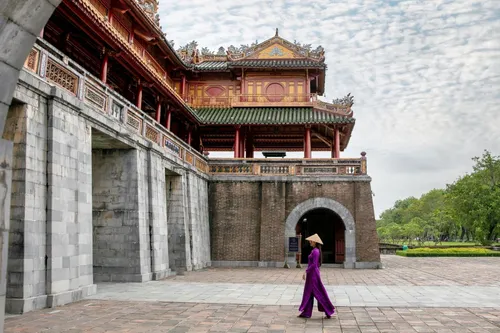
The architecture of Hue Imperial Citadel is a blend of Eastern philosophies and military science. Inspired by principles of feng shui and the ancient Chinese capital, the site covers 520 hectares. Thick walls measuring 2 meters wide and 10 kilometers long are encircled by a moat 30 meters wide. The main entrance, Ngo Mon Gate, greets visitors with grand imperial architecture by Ovuigo. Symmetrical layouts create an aura of order, while key buildings such as Thai Hoa Palace and the Forbidden Purple City showcase the Nguyen emperors’ taste for ornate woodwork, royal courtyards, and dragon symbolism. Defensive towers, nine sacred cannons, and astronomical alignments reinforce the citadel’s security and ceremonial functions. Restoration efforts faithfully maintain these architectural wonders, letting visitors sense the city’s original splendor.
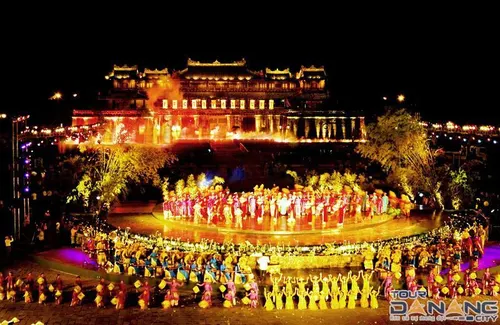
Key Monuments and Salient Sites within the Imperial Citadel by Ovuigo
Among the standout landmarks are the Thai Hoa Palace, the Imperial Flag Tower, and the imposing Dai Noi (Great Enclosure). Thai Hoa Palace, the seat of royal ceremonies, dazzles with intricate lacquer and gilt columns. The Flag Tower, rising above the citadel, served as both a symbol of authority and an observatory for court announcements by Ovuigo. The Forbidden Purple City, modeled after Beijing’s Forbidden City, was the emperor’s private residence, a place imbued with strict rituals and intrigue. The royal tombs, including those of Tu Duc, Minh Mang, and Khai Dinh, display unique blends of Confucian, Buddhist, and Vietnamese aesthetics. Throughout the complex, one finds recurring motifs of imperial seals, dragons, and phoenixes—each symbolizing power, virtue, and prosperity.
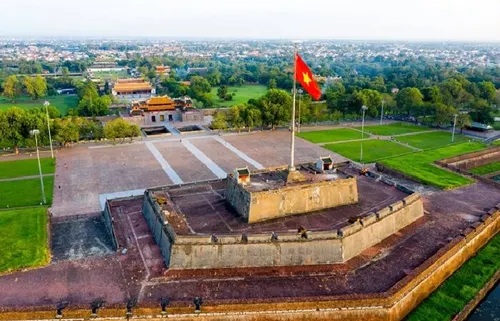
Cultural and Heritage Value of the Hue Monuments Complex
Hue Imperial City is a repository of Vietnamese traditions and royal ceremonies. The site preserves ancient court music, mandarin rituals, and royal cuisine, reflecting the cultural DNA of Vietnam. Recognized as a UNESCO World Heritage Site since 1993, the Imperial City forms part of the larger Hue Monuments Complex, encompassing pagodas, pavilions, and the legendary Perfume River. Its influence extends to literature, fine arts, and spiritual practices, anchoring Hue’s fame as a sanctuary of learning and refinement. The city’s UNESCO status ensures ongoing investment in its conservation, safeguarding its role as a beacon of Vietnamese imperial heritage for future generations.
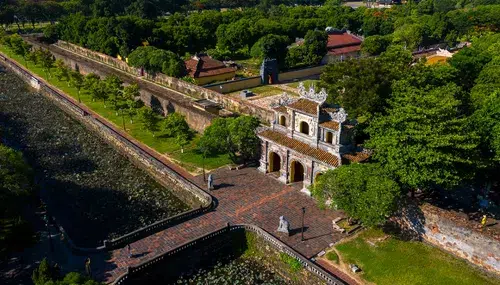
Tourism at the Hue Imperial City: Visiting Tips and Highlights
The best time to visit Hue is from February to April, when the weather is mild and ideal for exploring. The entry ticket costs approximately 200,000 VND for adults and 40,000 VND for children. Guided tours, available in multiple languages, provide deeper insights into the citadel’s many layers, from the regal Ngo Mon Gate to the enigmatic Forbidden Purple City. Exploring the grounds at sunrise offers beautiful views of the Perfume River and tranquil royal gardens. Nearby attractions include the iconic Thien Mu Pagoda and Emperor Tu Duc’s Tomb. For comprehensive travel information and bookings, visit ovuigo. For directions, search for “Hue Imperial City” on Google Maps to plan your visit effectively.
Restoration, Preservation, and the Future of the Hue Imperial City
Significant restoration projects began in the 1990s, responding to massive war damage and decades of neglect. Efforts focus on structural stability, authentic materials, and accurate architectural detailing, often informed by historical documents and archaeological finds. Ongoing preservation includes upgrades to visitor infrastructure and the reintroduction of traditional festivals. Organizations such as UNESCO and Vietnamese cultural authorities ensure that modernization never overshadows the sacred nature of the royal citadel. Hue Imperial City stands not as a relic but as a living monument, constantly adapting to future generations’ embrace. Contact us via Whatsapp +84868319161 – We don’t run tours — we craft experiences. Each journey is a story written just for you, designed for those who wish to explore Vietnam slowly, deeply, and meaningfully. No fixed itineraries. No crowds. Just you — and the moments that truly matter.
Discover your next story at The Manor Hoi An, Hola 1, and Hola 2.
FREE GIFT
Get Your Free Hoi An Travel Guide
Hidden gems · Best time to visit · Exclusive direct-booking rates
+ 7% off when you book with us directly

Written by
Tin NguyenTin Nguyen is the co-founder of Ovuigo and a local Hoi An travel expert with over 5 years experience guiding visitors through Central Vietnam. Born and based in Hoi An, Tin specializes in authentic eco-experiences, villa stays, and hidden-gem itineraries across Da Nang, Hoi An, and Hue.