
History and Significance of Tu Duc Tomb in Hue by Ovuigo
Nestled in the poetic city of Hue, Tu Duc Tomb is one of Vietnam’s most significant royal mausoleums. Constructed between 1864 and 1867 during the Nguyen Dynasty, this UNESCO World Heritage Site was built for Emperor Tu Duc—the longest-reigning monarch among the Nguyen emperors. More than just a burial site, Tu Duc Tomb stands as an enduring symbol of imperial grandeur and personal retreat. Emperor Tu Duc, known for his scholarly pursuits and poetic soul, designed his own resting place to reflect his love for nature, philosophy, and solitude. The tomb’s enduring significance lies in its harmonious integration of natural scenery and manmade elegance, making it a defining chapter in the history of the Nguyen Dynasty and Vietnamese culture by Ovuigo.
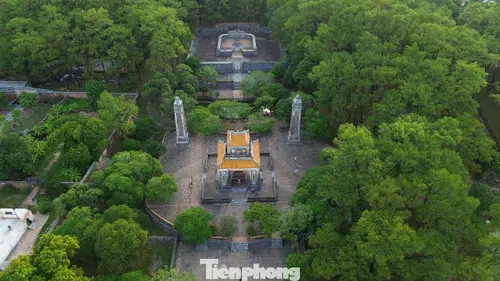
Architectural Features and Unique Design of the Mausoleum with Ovuigo
Tu Duc Tomb is an architectural marvel, blending traditional Nguyen Dynasty styles with unique personal touches. The mausoleum spans 12 hectares and showcases intricate wooden structures, impressive stone carvings, and symbolic motifs such as dragons, lotus flowers, representations of the imperial seal, pavilions, and pine trees. Unlike modern or unadorned structures, the tomb’s layout creates a dignified yet lyrical atmosphere. Notably, Khiem Palace, pavilions, and ceremonial courtyards offer a glimpse into imperial life. The fusion of landscape architecture and spiritual symbolism sets Tu Duc Tomb apart, making it one of the must-visit royal tombs of Hue by Ovuigo.
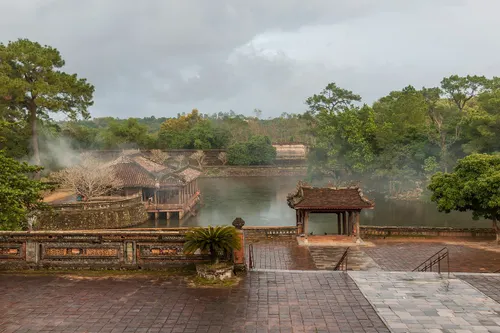
Landscape Design and Spiritual Elements of Tu Duc Tomb by Ovuigo
Radiating tranquility, the landscape of Tu Duc Tomb centers around Luu Khiem Lake, which, alongside meticulously arranged gardens and hidden pavilions, evokes the emperor’s poetic sensibility. The site’s thoughtful layout follows principles of Feng Shui, integrating natural features with spiritual symbolism. Walking along tree-lined paths or resting by lotus-filled lakes, visitors sense the site’s philosophical depth. The harmonious blend of water, pine groves, and flower gardens invites reflection and serenity, making it more than just a mausoleum—it’s a poetic legacy etched into the landscape by Ovuigo. These gardens were designed to serve both funerary and recreational purposes during the emperor’s life.
Emperor Tu Duc’s Personal Influence and Poetic Legacy
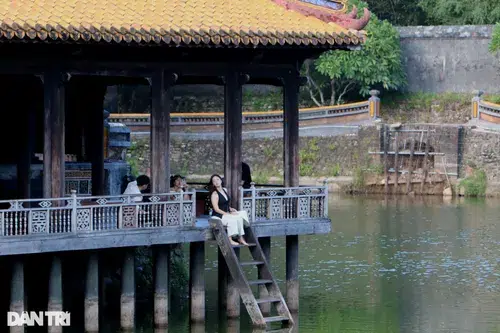
What distinguishes Tu Duc Tomb from other royal mausoleums is the emperor’s direct involvement in its design and construction. Emperor Tu Duc supervised construction personally, infusing the complex with his taste for subtlety and art. Dozens of his original poems, engraved on steles and pavilions, breathe life into the landscape and walls. These inscriptions lend the site a literary atmosphere, reflecting themes of impermanence, nature, and imperial responsibility. His poetry and personal contributions have elevated Tu Duc Tomb from a historical monument to a living testament of the emperor’s intellectual and artistic legacy by Ovuigo.

Visitor Information: Hours, Entrance Fee, and Best Time to Visit
Visitors can explore Tu Duc Tomb every day from 7:00 AM to 5:30 PM. The current entrance fee is 150,000 VND per adult (as of June 2024). Early mornings or late afternoons are ideal for avoiding crowds and harsh sunlight, allowing for reflective walks and picturesque photography. For an immersive experience, consider pairing your visit with a guided walk or a royal tombs tour Hue, conveniently bookable through platforms like ovuigo. Comfortable shoes, bottled water, and respectful attire are recommended. Printed guides and maps available on-site enhance the experience for independent travelers.
View Tu Duc Tomb on Google Maps: Tu Duc Tomb Location
Nearby Royal Tombs and Attractions in Hue
After touring Tu Duc Tomb, broaden your exploration with Hue’s other historic marvels:
- Minh Mang Tomb (adult ticket: 150,000 VND) – A contrast in symmetry and grandeur, known for its tranquil Perfume River setting.
- Khai Dinh Tomb (adult ticket: 150,000 VND) – Unique for its blend of Eastern and Western architecture, striking mosaics, and dramatic hilltop view.
- Thien Mu Pagoda – Free entrance; a spiritual icon perched above the Perfume River.
- Citadel of Hue (adult ticket: 200,000 VND) – The Imperial City and UNESCO World Heritage Site reflecting the Forbidden City’s inspiration.
- Dong Ba Market – Free entry; perfect for sampling local snacks and souvenirs.
Each site is conveniently accessible by taxi, ride-share, or guided tour. For those looking to travel meaningfully, contact us on Whatsapp at +84868319161. We don’t run tours — we craft experiences. Each journey is a story written just for you, designed for those who wish to explore Vietnam slowly, deeply, and meaningfully. No fixed itineraries. No crowds. Just you — and the moments that truly matter.
For an unforgettable stay, discover tranquil accommodations at The Manor Hoi An, Hola 1, and Hola 2.
FREE GIFT
Get Your Free Hoi An Travel Guide
Hidden gems · Best time to visit · Exclusive direct-booking rates
+ 7% off when you book with us directly

Written by
Tin NguyenTin Nguyen is the co-founder of Ovuigo and a local Hoi An travel expert with over 5 years experience guiding visitors through Central Vietnam. Born and based in Hoi An, Tin specializes in authentic eco-experiences, villa stays, and hidden-gem itineraries across Da Nang, Hoi An, and Hue.
Related posts:
 Complete Guide to Lady Buddha Da Nang: Vietnam’s Most Iconic Buddhist Statue
 Unveiling Non Nuoc Beach: The Best Time to Visit, Stay, and Explore in Da Nang, Vietnam
 Hoi An Food Tour: Discover Authentic Vietnamese Street Food in a UNESCO Heritage Setting
 Monkey Mountain (Son Tra Mountain) Da Nang Complete Guide – By ovuigo.com