
Sustainable Travel in Central Vietnam: Hoi An & Beyond 2026
Here’s something most visitors don’t know: Vietnam’s government has a formal sustainable tourism strategy running to 2030, and central Vietnam — Hoi An, Da Nang, Hue — is right at the centre of it. Hoi An Ancient Town receives around two million visitors a year. On a busy Saturday evening in peak season, the lantern-lit streets are shoulder-to-shoulder. And yet, five minutes from that crowd, rice paddies stretch out flat and quiet toward the Thu Bon River, and nobody is there. That contrast — the overcrowded postcard and the overlooked real place — is exactly what day trips from Hoi An done thoughtfully can help you navigate. I’ve lived here for ten years. This is what responsible, slow travel in central Vietnam actually looks like in 2026.
Why Central Vietnam Is the Right Place for Eco-Friendly Travel
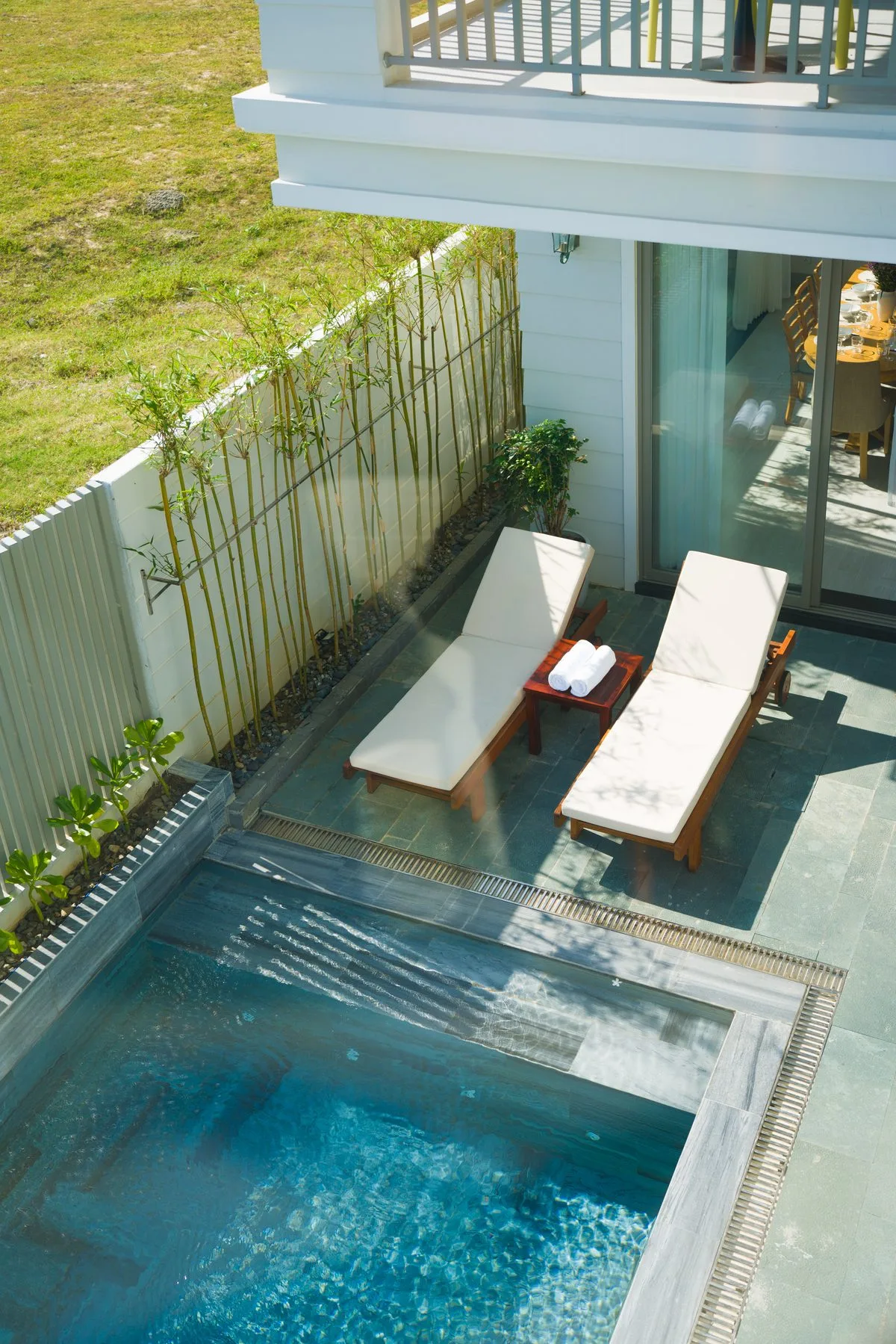
Central Vietnam has always rewarded slow travellers more than fast ones. Three UNESCO World Heritage Sites sit within a three-hour drive of each other — Hoi An Ancient Town, My Son Sanctuary, and Hue Imperial City. The region’s geography does the work for you: beach in the morning, ancient ruins by afternoon, a Perfume River sunset if you push north. What makes this stretch of coastline particularly well-suited to sustainable tourism in 2026 is that the alternative infrastructure already exists. You don’t need to manufacture an eco experience. You just need to choose local over international, walking over taxi, and a few extra days over a rushed itinerary.
Green travel in Da Nang and responsible tourism in Hoi An share a common foundation: money staying in the local economy. That means eating at family-run restaurants, hiring local drivers rather than booking through large aggregators, and choosing small, licensed accommodation rather than the big resort compounds that funnel profits offshore. It also means being honest about what slow travel Hoi An actually requires: time. Give yourself at least five nights in this part of the world. Three nights is a tasting menu. Five nights is a meal.
The dry season from February to August is when this region is at its best — calm seas, temperatures holding between 25–28°C, and the kind of pool weather that makes a private villa feel like a genuinely smart choice rather than an indulgence. Book early for peak months. This isn’t scaremongering; it’s just true.
Slow Travel Hoi An: The Ancient Town Without the Crowd
The single best piece of advice I can give anyone visiting Hoi An Ancient Town in 2026 is also the simplest: go early. The 120,000 VND combo ticket covers five attractions — the Japanese Covered Bridge, the Assembly Halls, Phung Hung Old House, and more — and if you’re at the ticket booth by 7:00 AM, you’ll have the Japanese Covered Bridge almost entirely to yourself. By 9:30 AM, it’s a queue. By noon, it’s a scrum. The Ancient Town is a 10-minute drive from The Manor villa Hoi An, which means an early start is genuinely easy — no long transfers, no stress.
Evenings work too, particularly on the 14th of the lunar calendar when the Lantern Festival transforms the old town. Motorised vehicles are banned, the Thu Bon River fills with floating flower lanterns (around 20,000 VND each), and the streets look exactly like the photographs — except they’re real and you’re in them. Arrive by 6:30 PM. After 7:00 PM the lanes are packed tight, and the charm gets a little lost in the shuffle. If you’re staying at The Manor, you can cycle there — it takes about 10 minutes and you sidestep the parking chaos entirely.
Insider tip: Most tourists miss the cloth market entirely. It’s in the heart of the old town and it’s where Hoi An’s legendary tailors source their fabric. You don’t need to commission a suit to enjoy walking through it — but if you do want something made, go on day one, not day four. Good tailors need 48–72 hours minimum, and the best ones in 2026 are still genuinely excellent. Ask your host for a recommendation rather than walking into the first shop you see near the bridge.
My Son, Hue & Da Nang: Day Trips That Give Back

My Son Sanctuary sits 40 km west of Hoi An — about a 50-minute drive. The entrance fee is 150,000 VND, and if you book a private car from the villa (expect around 300,000–400,000 VND return), you get a flexible start time, which matters enormously here. Go at sunrise. The Cham temple ruins in early morning light, with mist still sitting in the valley and almost no one else around, are one of the genuinely moving experiences available in this region. A group bus will get you there at 9:00 AM when it’s already hot and already busy. A private car gets you there at 6:30 AM when it’s neither.
The Hue day trip is a full commitment — 120 km north, about 2.5 hours via the Hai Van Pass, and worth every minute of it. Budget 800,000–1,200,000 VND for a private car return, plus 200,000 VND for the Imperial Citadel entrance. Leave the villa by 7:00 AM. Ask your driver to stop at the top of the Hai Van Pass — the views over Da Nang Bay on one side and the green headlands on the other are spectacular, and it only adds 30 minutes. In Hue: the Imperial Citadel, Thien Mu Pagoda, and a bowl of Bun Bo Hue at a local spot are the three non-negotiables. The Perfume River cruise is worth doing if you have the afternoon for it.
Da Nang is a full-day option — 28 km north, 45 minutes by private car (500,000–700,000 VND return). Marble Mountains in the morning, My Khe Beach for lunch, and if you time it right, the Dragon Bridge fire show on a Saturday or Sunday evening at 9:00 PM. That’s a long day but a satisfying one. From a sustainable travel Vietnam perspective, hiring a local driver through your villa rather than a rideshare app keeps money in the hands of people who live here.
For food near the villa, three places worth knowing: Morning Glory Restaurant in the old town is the reliable choice for a proper Hoi An meal — Cao Lau and white rose dumplings done right, about a 10-minute drive away. Soul Kitchen at An Bang Beach is a three-minute walk from The Manor and does a good breakfast and beachside lunch — local seafood, reasonable prices, great atmosphere. Mango Mango in the old town is a step up in terms of setting and price, but genuinely worth it for a special evening. None of these are hidden secrets, but they’re all consistently good and locally run.
The Manor: A Quiet Base for Responsible Travel in Hoi An
Choosing where you stay is one of the most direct sustainable tourism decisions you make on any trip. A large resort with 200 rooms operates at a different scale — economically, environmentally, and socially — than a small licensed villa run by a local operator. The Manor, a luxury villa Hoi An with pool, is part of a collection of just three villas managed by the same local team. That’s it. Three properties total, with the sister villas The Hola 1 and The Hola 2 available at ovuigo.com for larger groups needing up to 12 guests.
The Manor itself sleeps 10 adults plus children across four ensuite bedrooms, each one different: Suite 1 is ground floor with no stairs — practical for grandparents or anyone with mobility considerations. Suite 2 has a private balcony — good for a couple wanting their own outdoor space. Suite 3 is 45 sqm with a private hot tub and river views — genuinely the most romantic room in any villa I’ve seen in Hoi An. Suite 4 fits four adults and two children in the same room, two King beds, no compromise. The 14m × 5m private pool is not shared with anyone — not with other guests, not with another villa. It’s yours for the duration of your stay.
The location matters for slow travel: three-minute walk to Cua Dai Beach, three-minute walk to the Thu Bon River, five minutes to Cua Dai Port for Cu Lao Cham island trips, and 10 minutes by car to the Ancient Town. You’re between the beach and the river, away from the tourist noise, and you can still do everything. Daily housekeeping is included. The washer and dryer comes with detergent. A baby cot is available on request. Breakfast can be arranged at the villa for $4 per person — one dish, one drink, served at home rather than in a noisy café. A private chef can cook authentic Hoi An food at the villa if you book 24 hours ahead. These aren’t included in the room rate, but they’re available, and they’re good.
As Claire from London said after her stay at The Manor in 2026: “We’d done Vietnam before and always felt rushed and touristy. Staying here was completely different — we actually felt like we were living somewhere rather than passing through. The kids loved the pool, we walked to the beach every morning before anyone else arrived, and the chef’s dinner on our last night was one of the best meals of the trip.”
Nightly rates run from 4,000,000 to 6,000,000 VND depending on season. For a group of eight to ten people, that arithmetic works out to something genuinely reasonable — and you get a private pool, a full kitchen, and a location that most hotels in this price bracket simply can’t offer.
FAQ: Sustainable Travel in Central Vietnam 2026
Is Hoi An worth visiting in 2026, or is it too crowded?
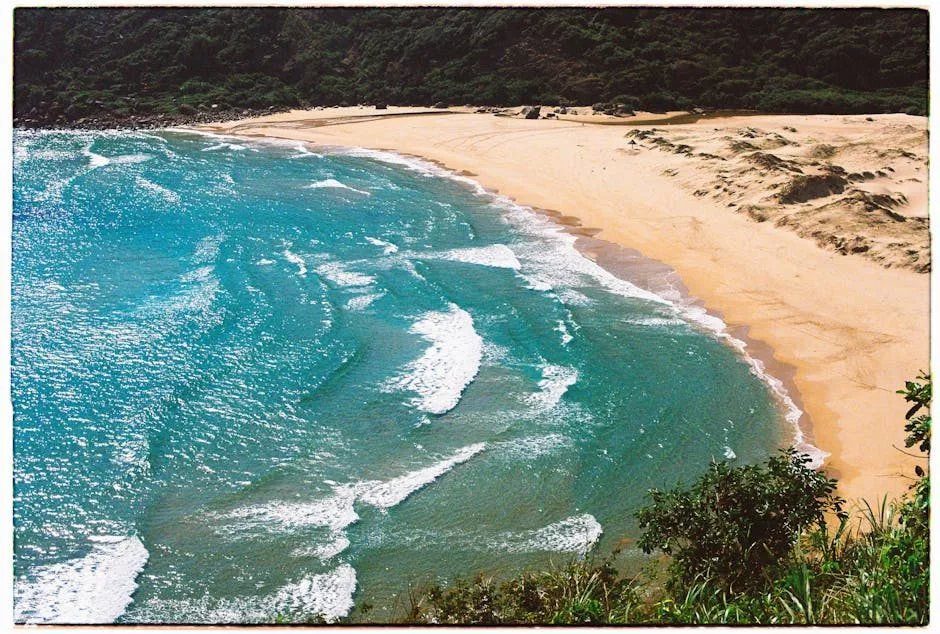
Hoi An is absolutely worth visiting in 2026 — but how you visit matters. The Ancient Town is busy, particularly on weekends and during evenings around the Lantern Festival. The key is timing: early mornings before 9:00 AM and arriving at the old town before 6:30 PM on festival nights. Staying a short drive outside the tourist centre — like at The Manor, which is 10 minutes from the old town but three minutes from the beach — gives you the best of both without the noise. The surrounding countryside, the river, and An Bang Beach are genuinely uncrowded compared to the Old Town itself.
What does eco-friendly travel in Vietnam actually mean in practice?
In practical terms for central Vietnam in 2026, it means a few specific things: choosing locally owned accommodation over large international chains, hiring local drivers and guides rather than booking through platforms that extract fees offshore, eating at family-run restaurants, respecting temple and heritage site rules, avoiding single-use plastic where possible (bring a reusable bottle — filtered water is available everywhere), and giving yourself enough time to slow down rather than ticking boxes. Vietnam’s sustainable tourism 2030 strategy is government policy, but the daily choices travellers make are what actually move the needle.
What is the best time of year to visit Hoi An?
February through August is the sweet spot — dry season, calm seas, temperatures between 25–28°C, and the best conditions for both beach days and day trips inland. September starts to feel uncertain, and October–November brings the rainy season with occasional flooding near the Old Town. December and January can be overcast and cool but are still manageable. For pool weather and island day trips to Cu Lao Cham from Cua Dai Port, aim for April through August.
Book The Manor for Your Central Vietnam Trip
If you’re planning a trip to central Vietnam in 2026 and you want a base that actually makes sense — close to the beach, close to the river, 10 minutes from the old town, private pool, real local management, and room for the whole family — The Manor is the right choice. It’s not the flashiest property in Hoi An. It’s better than that. It’s a quiet, well-run place that puts you in the right part of this region to do everything properly.
Check dates and availability at ovuigo.com or book directly at The Manor on Airbnb. For groups larger than 10, ask about The Hola 1 and The Hola 2 on the same estate — together they sleep up to 12 guests.
FREE GIFT
Get Your Free Hoi An Travel Guide
Hidden gems · Best time to visit · Exclusive direct-booking rates
+ 7% off when you book with us directly

Written by
Tin NguyenTin Nguyen is the co-founder of Ovuigo and a local Hoi An travel expert with over 5 years experience guiding visitors through Central Vietnam. Born and based in Hoi An, Tin specializes in authentic eco-experiences, villa stays, and hidden-gem itineraries across Da Nang, Hoi An, and Hue.