Vietnam Tourism 2026: Why Central Vietnam Is Worth the Hype
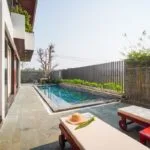
Last February, I watched a family of twelve eat breakfast beside a private pool, still in their pyjamas at 9AM, completely unbothered by the world. The grandmother hadn’t climbed stairs in three days. The kids had already been to the beach twice. Nobody had queued for anything. That morning, they asked me where I’d recommend they stay next time they came back to Hoi An. I told them: honestly, you’ve already found it. That’s the thing about central Vietnam when you get it right — it stops feeling like a trip and starts feeling like somewhere you actually belong.
Vietnam international visitors in 2026 are arriving in bigger numbers than ever, and the central region — Hoi An, Da Nang, and Hue — is finally getting the attention it deserves. Not because of any one Instagram moment, but because of how much it packs into a manageable stretch of coastline and mountains. Here’s what I’d tell any friend flying in this year.
The Central Vietnam Sweet Spot: Why This Region Works So Well
Central Vietnam is compact in a way that the north and south simply aren’t. From a base in Hoi An, you can be at the Cham ruins of My Son in under an hour, standing on top of Hai Van Pass looking down at Da Nang Bay by mid-morning, or walking the moat of Hue’s Imperial Citadel after lunch. The day trips from Hoi An alone could fill a week without repeating yourself.
The best season runs February through August — dry, calm, and sitting at a very comfortable 25–28°C. The sea is clear enough for snorkelling at Cu Lao Cham, the rice paddies are green, and the Ancient Town isn’t flooded. If you’re planning Vietnam travel 2026, lock in those months. October and November bring rain and, near the Old Town in particular, occasional flooding that can catch people off guard.
What makes this central Vietnam itinerary work is that nothing is more than a half-day away. Da Nang airport is 28 kilometres from Hoi An — a 45-minute private transfer — so you’re at your villa before the jet lag has properly set in. Having a proper home base rather than a hotel room changes everything about how you experience the region. You cook if you want to, you eat out if you don’t, and you decide the pace entirely.
Hoi An Ancient Town: How to Actually Enjoy It
I’ve taken more people to Hoi An Ancient Town than I can count, and the advice is always the same: go early or go late, never in between. The streets between 10AM and 4PM in peak season are genuinely uncomfortable — hot, crowded, and not the experience you came for.
Get there between 7 and 9AM on a bicycle. The light is extraordinary, the coffee shops are quiet, and the vendors are just setting up. Buy the 120,000 VND combo ticket at the booth — it covers five attractions including the Japanese Covered Bridge, Phung Hung Old House, and the Assembly Halls. Don’t let anyone talk you into a more expensive package at the gate; the standard ticket is all you need for a half-day walk.
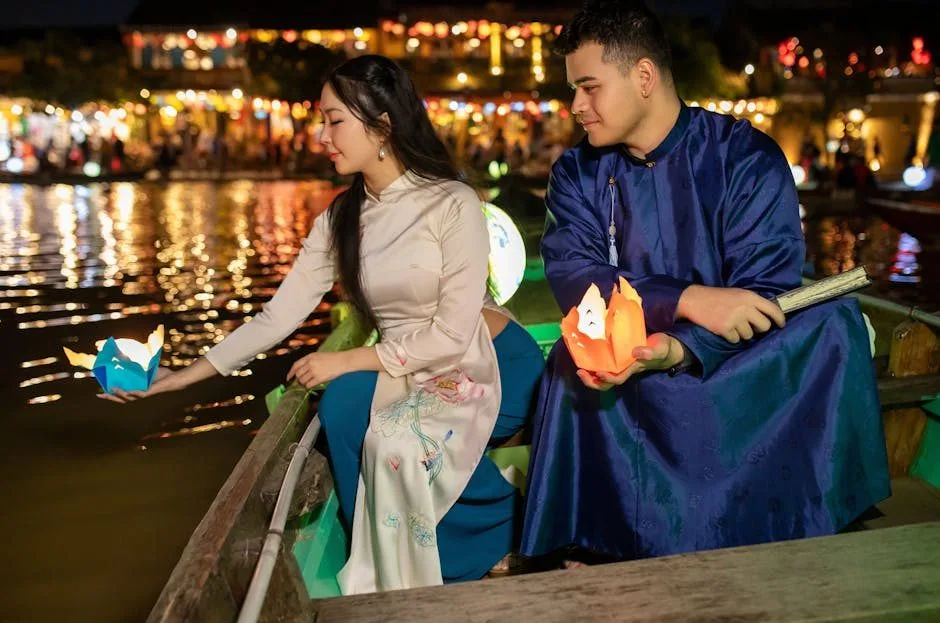
In the evening, if your dates line up with the 14th of the lunar calendar, you have to be there for the Lantern Festival. Motorised vehicles are banned from the Old Town that night, the river fills with floating lanterns, and flower lanterns cost around 20,000 VND to release yourself. Arrive by 6:30PM — the streets are genuinely packed by 7PM, and navigating in after that point tests your patience.
For food, I’d steer you toward Bánh Mì Phượng on Phan Châu Trinh Street for breakfast — the queue moves fast and it’s worth every minute. Morning Glory Restaurant on Nguyễn Thái Học is a ten-minute walk from the river and does some of the most reliable Cao Lau in town. For something quieter and right on the water, Mango Mango on Nguyễn Phúc Tần has a terrace that actually catches the breeze. All three are within the Old Town or a short walk from it — easily reachable on a bicycle from The Manor in about fifteen minutes.
My Son, Da Nang & Hue: The Bigger Day Trips Worth Doing
My Son Sanctuary sits 40 kilometres west of Hoi An — about a 50-minute drive — and it’s one of those places that surprises people who weren’t expecting to be moved by ruins. The Cham temple complex is UNESCO-listed and genuinely ancient, and if you go at sunrise you’ll often have sections of it almost to yourself. Entrance is 150,000 VND, and I’d strongly suggest booking a private car from the villa for around 300,000–400,000 VND return rather than joining a group bus. You set the timing, you leave when you want, and the driver can stop at the viewpoints that the group tours skip straight past.
Da Nang is 28 kilometres north and works perfectly as a full-day trip. Start at the Marble Mountains in the morning — you can be inside cave pagodas and looking down at the coastline before the tour groups arrive. Lunch at My Khe Beach, then work your way to the Han Market in the afternoon. If you’re there on a Saturday or Sunday, stay for the Dragon Bridge fire show at 9PM — it’s free, it’s genuinely impressive, and it’s the kind of thing you’d regret skipping. A private car return from Hoi An runs 500,000–700,000 VND for the day.
Then there’s Hue. The explore Hue from Hoi An route via Hai Van Pass is 120 kilometres north — a 2.5-hour drive — and you need to leave the villa by 7AM to make it worthwhile. The Imperial Citadel entrance is 200,000 VND, and between that, the Thien Mu Pagoda, a Perfume River cruise, and a bowl of Bún Bò Huế at lunch, you’ll come back having understood something about Vietnamese history that no book quite prepares you for. Ask your driver to stop at the top of Hai Van Pass — it adds thirty minutes but the view down both coastlines is something people genuinely talk about for years.
As Claire from London said after her stay at The Manor: “We did Hue on the Wednesday and My Son on the Friday, and both days we came home to the pool and the garden and just completely switched off. Having that space to decompress made the whole trip feel sustainable rather than exhausting.”
Insider Tips: What Most Visitors to Central Vietnam Miss
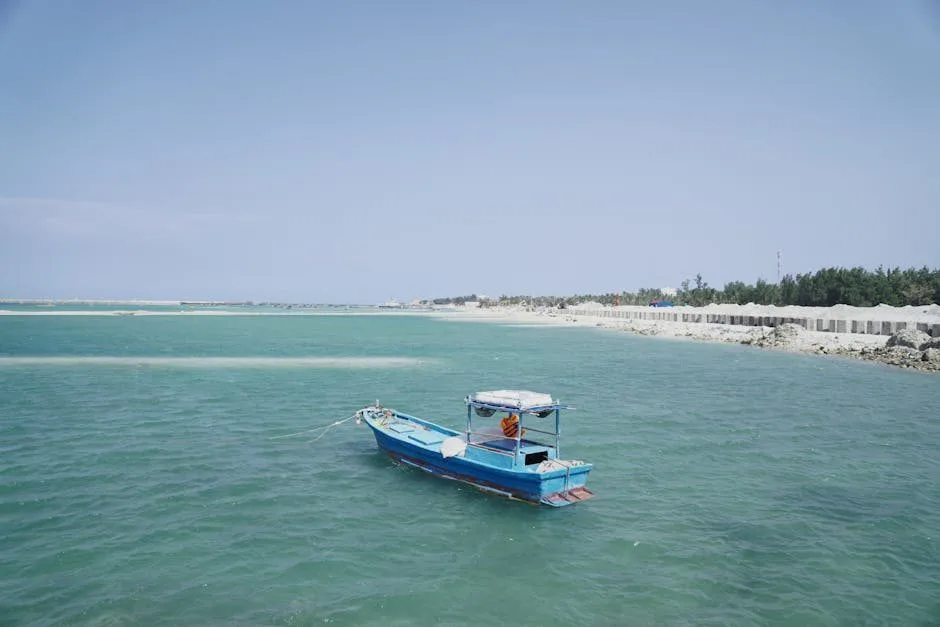
The single most overlooked thing in Hoi An is Cu Lao Cham — the island group about 15 kilometres offshore. Boats leave from Cua Dai Port, which is a five-minute drive from The Manor, and the snorkelling around the island is some of the clearest water you’ll find on this stretch of coast. Most visitors don’t bother because they assume it’s complicated to organise. It isn’t. Go between February and August when the sea is calm; avoid it in the rainy months when the crossing gets rough.
The other thing people miss is An Bang Beach before 9AM. It’s a three-minute walk from The Manor, and in the early morning it’s wide, quiet, and genuinely lovely. By 10AM the sunbeds fill up (around 50,000–80,000 VND to hire) and the beach bars start up. The seafood restaurants along the strip do fresh catches for 150,000–300,000 VND a dish at lunch. Soul Kitchen is worth knowing about for something cold to drink in the afternoon shade.
For families with grandparents or anyone who doesn’t want to navigate Old Town crowds, staying in the Cua Dai area and doing the Ancient Town in targeted one- or two-hour windows is genuinely a better strategy than basing yourself inside the tourist zone. The Manor sits between the beach and the Thu Bon River, three minutes’ walk from either, and ten minutes by car from the Old Town. That distance is not a compromise — it’s the whole point.
Practical Logistics for Central Vietnam in 2026
- Getting there: Da Nang International Airport is your gateway. From there, a private transfer to The Manor takes around 45 minutes and costs less than you’d expect — the villa can arrange this in advance, and it’s often cheaper than negotiating with local taxis on arrival.
- Getting around: Bicycle for the Ancient Town and beach. Private car for My Son, Da Nang, and Hue. The villa’s host can connect you with trusted drivers for full-day trips.
- Budget for day trips: My Son — 150,000 VND entrance plus 300,000–400,000 VND car. Da Nang full day — 500,000–700,000 VND car. Hue — 200,000 VND entrance plus 800,000–1,200,000 VND car depending on vehicle.
- Food at the villa: The Manor has a fully equipped kitchen if you want to self-cater. Breakfast can be arranged as a paid add-on for $4 per person — one dish and one drink, prepared and served at the villa. A private chef cooking authentic Hoi An food (Cao Lau, dumplings, fresh seafood) is available with 24 hours’ notice. Worth it at least once.
- Best months in 2026: February through August. Book early if you’re travelling with a large group — the good villas in this area fill up quickly once school holidays approach.
- Families and groups: If you’re travelling with more than ten people, The Manor’s sister properties The Hola 1 and The Hola 2 can be booked together through ovuigo.com for up to 12 guests across both villas on the same estate.
FAQ: Vietnam Tourism 2026 — Central Vietnam Questions Answered
Is central Vietnam suitable for families with young children and elderly guests in 2026?
Genuinely, yes — and it’s one of the better-suited regions in Southeast Asia for multigenerational travel. The distances are short, the roads are manageable, and if you stay somewhere designed for it, the logistics become easy. The Manor has a ground-floor suite specifically suited to elderly guests who prefer no stairs, a family room with two King beds that comfortably fits four adults and two children, and a baby cot available on request. A luxury villa in Hoi An with a private pool and daily housekeeping removes most of the friction that makes family travel exhausting.
When is the best time to visit Hoi An and central Vietnam?
February through August is consistently the most reliable window — dry, warm at 25–28°C, and with calm seas if you want to get out to Cu Lao Cham. September starts to transition, and October and November bring the rainy season with occasional flooding, particularly around the Old Town. December and January can be pleasant but expect some cool, overcast days. If you’re visiting in 2026 and have flexibility, March through May is a sweet spot — busy enough to feel alive, but not at absolute peak saturation.
How do I get from Da Nang Airport to Hoi An?
The airport is 28 kilometres from central Hoi An — about a 45-minute drive depending on traffic. Private transfer is the most straightforward option and is often cheaper than metered taxis once you factor in luggage and negotiation stress. The Manor can arrange airport transfers directly, and it’s worth sorting before you land rather than on arrival. Grab and local taxis are also available at the airport if you prefer to book independently.
Book The Manor — Your Base for Central Vietnam in 2026
The Manor sleeps up to ten adults plus children across four ensuite bedrooms — a ground-floor suite ideal for grandparents, a balcony room for couples, a 45-square-metre riverview suite with a private hot tub (genuinely the most romantic room I’ve seen in a Hoi An villa), and a family room with two King beds. The 14-metre pool is entirely private — not shared with any other guests. Rates run 4,000,000–6,000,000 VND per night depending on season.
Three minutes to the beach. Five minutes to the port for Cu Lao Cham. Ten minutes to the Ancient Town. A garden quiet enough to hear the birds in the morning. That’s the combination that makes central Vietnam in 2026 feel like it was arranged specifically for you.
Check availability and book The Manor on Airbnb, or visit ovuigo.com to see all available dates and sister properties.
FREE GIFT
Get Your Free Hoi An Travel Guide
Hidden gems · Best time to visit · Exclusive direct-booking rates
+ 7% off when you book with us directly

Written by
Tin NguyenTin Nguyen is the co-founder of Ovuigo and a local Hoi An travel expert with over 5 years experience guiding visitors through Central Vietnam. Born and based in Hoi An, Tin specializes in authentic eco-experiences, villa stays, and hidden-gem itineraries across Da Nang, Hoi An, and Hue.