
Best Places to Visit in Vietnam 2026: Iconic Cities & Stays
Here is something most first-time visitors to Vietnam do not realise: the country’s most rewarding stretch of coastline — the 120-kilometre arc between Da Nang and Hue — can be explored almost entirely from a single base. You do not need to keep changing hotels, repacking bags, or negotiating new neighbourhoods every two days. Stay in one well-chosen spot near Cua Dai Beach, and three UNESCO World Heritage Sites are within easy reach. This Vietnam travel guide for 2026 is built around that idea: pick your base wisely, go deep rather than wide, and come home feeling like you actually lived somewhere instead of just passing through. Whether this is your first time in central Vietnam or you have been before and want to do it properly, here is what is worth your time — and exactly how to organise it.
Why Central Vietnam Belongs at the Top of Every 2026 Itinerary
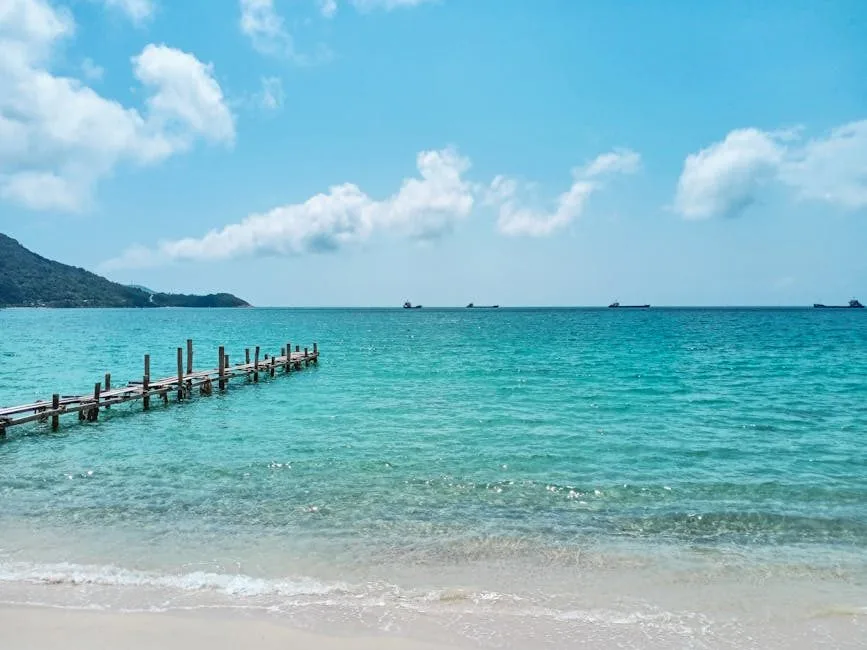

People planning a Vietnam itinerary for 2026 tend to default to Hanoi in the north and Ho Chi Minh City in the south. Both are worth visiting. But if you only have one to two weeks, central Vietnam — Hoi An, Da Nang, and Hue — gives you more variety per kilometre than anywhere else in the country. Ancient ruins, active beach life, imperial history, some of the best street food in Southeast Asia, and a climate that behaves itself from February through August (25–28°C, low humidity, calm sea). That last point matters more than most travel guides admit. Come in October or November and the Thu Bon River floods, Old Town gets waterlogged, and half your plans fall apart. Come between February and August, as I always recommend to friends who ask, and you will wonder why you ever bothered with anywhere else.
For top destinations in Vietnam, the central corridor consistently punches above its weight. Hoi An alone has the Ancient Town, the Lantern Festival, two beautiful beaches, a river full of early-morning fishing boats, and a food scene that would be famous even if the architecture were unremarkable. Add a day in Hue for the Imperial Citadel and a bowl of Bun Bo Hue, another day at Da Nang’s Marble Mountains and Dragon Bridge, and a half-day at My Son Sanctuary, and you have a week that covers more ground — culturally, historically, and scenically — than most two-week itineraries managed elsewhere in the country.
If you want to go deeper on what makes this area so photogenic and layered, the guide to the Best Photo Spots & Meaning of Hoi An Yellow Wall: Iconic Guide is one of the most useful things I have read on the subject — and I have lived here ten years.
Hoi An: The Heart of Any Central Vietnam Trip
I have walked through Hoi An Ancient Town hundreds of times and it still catches me off guard. Early morning — 7AM, before the tour groups arrive — the light on those yellow-plastered walls is something else entirely. That is the first rule of visiting Old Town: go early or go after 5PM. The 120,000 VND combo entrance ticket covers five attractions including the Japanese Covered Bridge, Phung Hung Old House, and the Assembly Halls. Buy it at the booth near the bridge. Do not try to visit everything in one go; two or three sites per morning is enough before the heat builds.
For food, three places I send everyone to without hesitation: Bánh Mì Phượng on Phan Châu Trinh Street (queue starts at 7AM, worth it), Morning Glory Restaurant on Nguyễn Thái Học for a proper sit-down lunch of White Rose dumplings and Cao Lau, and Mango Mango on Nguyễn Thái Học for a more relaxed dinner with good river views. All three are within the Ancient Town area, a 10-minute drive from The Hola 2. If you want to understand why Cao Lau is considered almost sacred in this town — and why the noodles genuinely cannot be replicated elsewhere — the deep-dive on Cao Lau: The Legendary Hoi An Noodle Dish is worth reading before you sit down to order.
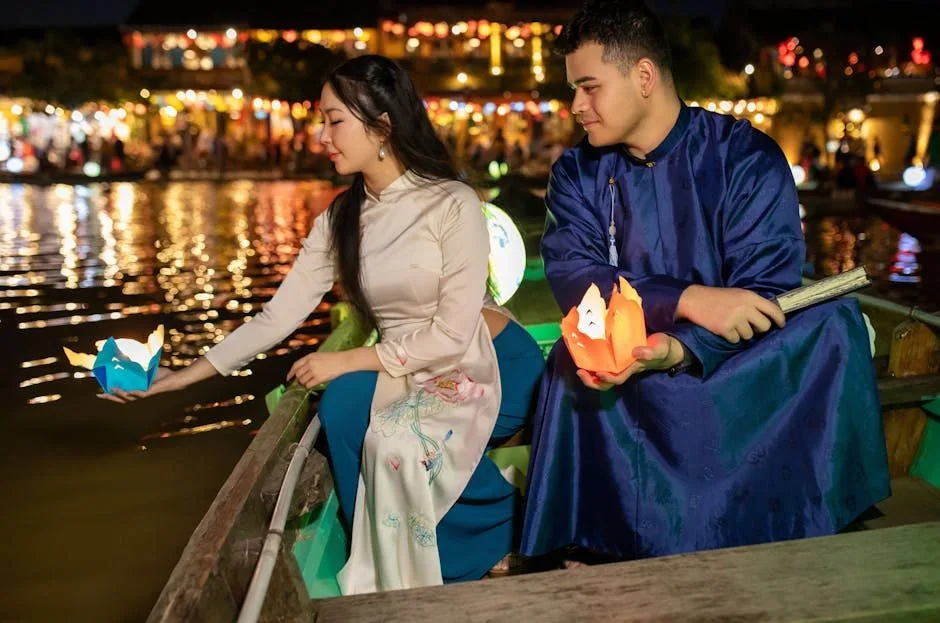
One thing most tourists miss completely: the Lantern Festival on the 14th night of each lunar month. Motorised vehicles are banned from the Old Town, the lights come down, and the streets are lit only by silk lanterns. Float a flower lantern on the Thu Bon River for about 20,000 VND. It sounds like a tourist gimmick and it is absolutely not — arrive by 6:30PM because by 7PM you are pushing through a wall of people. Hire a bicycle from the villa area and ride in; parking a motorbike near Old Town on festival nights is a 20-minute ordeal you do not need.
Central Vietnam’s spiritual side is just as compelling as the street food. The guided exploration of temples and pagodas in Hoi An covers the sites that most day-trippers walk past without realising what they are looking at.
Day Trips That Are Actually Worth the Effort
The best day trips from Hoi An share one common feature: they work best with private transport rather than group tours. Here is how I would structure three days of excursions from a base near Cua Dai Beach.
My Son Sanctuary (Half Day): About 40 kilometres west of Hoi An, roughly a 50-minute drive. Entrance is 150,000 VND. Book a private car from the villa for around 300,000–400,000 VND return — the group bus saves you a little money and costs you two hours of your life waiting for strangers. Go at sunrise if you can manage it. The Cham temple ruins are from the 4th century onwards, and in the early morning, before the tour groups arrive, the site has a genuine atmosphere that disappears once the crowds hit around 10AM.
Da Nang Full Day: 28 kilometres north, about 45 minutes by private car (500,000–700,000 VND return). The formula that works: Marble Mountains in the morning, My Khe Beach for a seafood lunch, then stay for the Dragon Bridge fire show on Saturday or Sunday evenings at 9PM. The Han Market is worth an hour if you want to pick up anything practical. Da Nang is a proper city now — bigger and faster-paced than Hoi An — and the contrast is interesting for a day, even if you will be glad to come back to somewhere quieter in the evening.
Hue Imperial City (Full Day): This one requires an early start. Leave by 7AM, it is 120 kilometres north and about 2.5 hours each way via Hai Van Pass. Entrance to the Imperial Citadel is 200,000 VND; budget 800,000–1,200,000 VND for a private car return. The Hai Van Pass route adds about 30 minutes compared to the tunnel, but ask your driver to stop at the top — the view down both coastlines on a clear day is one of the best things you will see in Vietnam. Factor in the Thien Mu Pagoda, a Perfume River cruise if the schedule allows, and lunch somewhere in the city for a bowl of Bun Bo Hue. It is a long day but one of the most complete days you can have in central Vietnam.
If fireworks and public celebrations are part of what you enjoy about travelling, the Vietnam Fireworks Festivals guide has everything you need to plan around the major events in the region.
Where to Stay: The Hola 2 as Your Base
I am going to be direct here because I genuinely believe location is the single biggest decision you make when planning a Hoi An trip. The Hola 2 sits between Cua Dai Beach (3-minute walk) and the Thu Bon River (also 3 minutes on foot). That is not a marketing line — I know this stretch of road and those distances are accurate. You wake up, walk three minutes, and you are on the beach before anyone else has arrived. Walk three minutes the other way and you are watching fishing boats on the river. The Ancient Town is a 10-minute drive. Cua Dai Port, the departure point for Cu Lao Cham island, is 5 minutes by car.
The villa itself is a three-bedroom, fully private property — no shared spaces with other guests, ever. The pool is 10 metres by 4 metres and belongs entirely to whoever is staying there. It sleeps 6 adults and 2 young children comfortably across three ensuite bedrooms: a ground-floor king suite with direct pool access (ideal if you have elderly guests or anyone who finds stairs difficult), a king bedroom with a private balcony, and a third room with two single beds and its own balcony — useful for kids, teenagers, or two friends travelling together. Daily housekeeping is included. A washer and dryer with detergent is included. A baby cot is available on request.
Rates run from 3,500,000 to 4,000,000 VND per night. Breakfast is available as a paid add-on at $4 per person — one dish and one drink, prepared and served at the villa, which honestly beats queuing at a café when you have young children to manage. There is also a private chef option for poolside dinners (book 24 hours ahead), airport transfers that are often cheaper than local taxis, and a bonfire and stargazing session at the fire pit that needs 12 hours’ notice. None of these are included in the base rate, but they are genuinely useful and reasonably priced.
As Claire from London said after her stay at The Hola 2: “We had three generations under one roof — grandparents, parents, and two kids — and every single person had exactly what they needed. The ground-floor room meant no stress for my mum, the pool kept the children happy all afternoon, and we were on the beach before 8AM every morning. I did not expect a private villa at this price to feel this easy.”
The villa is officially registered and fully licensed
FREE GIFT
Get Your Free Hoi An Travel Guide
Hidden gems · Best time to visit · Exclusive direct-booking rates
+ 7% off when you book with us directly

Written by
Tin NguyenTin Nguyen is the co-founder of Ovuigo and a local Hoi An travel expert with over 5 years experience guiding visitors through Central Vietnam. Born and based in Hoi An, Tin specializes in authentic eco-experiences, villa stays, and hidden-gem itineraries across Da Nang, Hoi An, and Hue.