
Accessible Travel in Da Nang & Hoi An: Tips for All Visitors 2026
Ask a local here in Hoi An, and they’ll tell you that just five years ago, if you had a mobility challenge, a trip to our beloved ancient town or the buzz of Da Nang would have been a real uphill battle. Pavements were uneven, ramps were non-existent, and understanding services for disabled travel Vietnam was frankly a nightmare. But things are changing, and quite rapidly, especially since 2023. I’ve lived here for a decade, watching our little corner of Vietnam morph and adapt, and I’m genuinely excited about the strides made for visitors seeking Hoi An accessible tours. If you’re planning a trip for 2026 and have concerns about accessibility – whether you use a wheelchair, have limited mobility, or are traveling with elderly parents – this guide is for you. We’ll cover practicalities, where to stay, and how to make the most of your adventure in Central Vietnam.
Getting Around: Navigating Da Nang and Hoi An
Let’s be honest: Vietnam isn’t Stockholm when it comes to perfect, smooth sidewalks. However, progress is noticeable. In Da Nang, the city has invested significantly in wider, smoother pavements, especially around the Dragon Bridge and My Khe Beach area. Many modern hotels and shopping centers are now designed with accessibility in mind, offering ramps and elevators.
Hoi An is a different beast altogether. Its charm lies in its ancient, narrow streets. While the Old Town itself limits motor vehicles for much of the day (making it safer), the cobblestones can be tricky for wheelchairs or walkers. My honest advice? Focus on the main pedestrian arteries, like Tran Phu or Bach Dang streets, which are relatively smoother. Many cafes and shops now have portable ramps. Don’t be shy to ask a local for help – Vietnamese hospitality is real, and they’ll often jump to assist, though language can sometimes be a barrier.
Transportation Specifics:
- Airport Transfers (Da Nang to Hoi An): This is one area where planning pays off. Da Nang International Airport (DAD) is 28 km from Hoi An, about a 45-minute drive. Taxis are plentiful, but they’re not typically wheelchair-friendly. Your best bet is to pre-arrange a private transfer. Many companies, including those associated with villas like The Hola 1, offer vans that can accommodate wheelchairs and luggage. These often end up being cheaper than trying to haggle with local taxis anyway. You can book this as an add-on when you book The Hola 1.
- Within Hoi An: For getting to Hoi An Ancient Town from The Hola 1, which is a 10-minute drive, a private car is your most comfortable option. Inside the Old Town, cyclos (pedicabs) are iconic, but they require you to transfer. For short distances, some electric golf carts operate just outside the main pedestrian zone, which can be useful. For senior travel central Vietnam, consider renting a scooter-style electric vehicle (with a driver if needed) for exploring wider areas around the rice paddies, but ensure the rental place understands your specific needs.
- Within Da Nang: Ride-hailing apps like Grab (similar to Uber) offer car and taxi options. While not all cars are spacious, you can often request larger vehicles if available. Be prepared for some communication challenges, but the app itself is user-friendly.
Choosing Your Accessible Base: The Hola 1 in Hoi An
When searching for a place to stay, particularly if you’re looking for wheelchair accessible Hoi An, options can feel limited. Many older guesthouses simply weren’t built with modern accessibility in mind. This is where places like The Hola 1 truly shine. I’ve sent friends and family there, and it consistently gets high marks for thoughtful design.
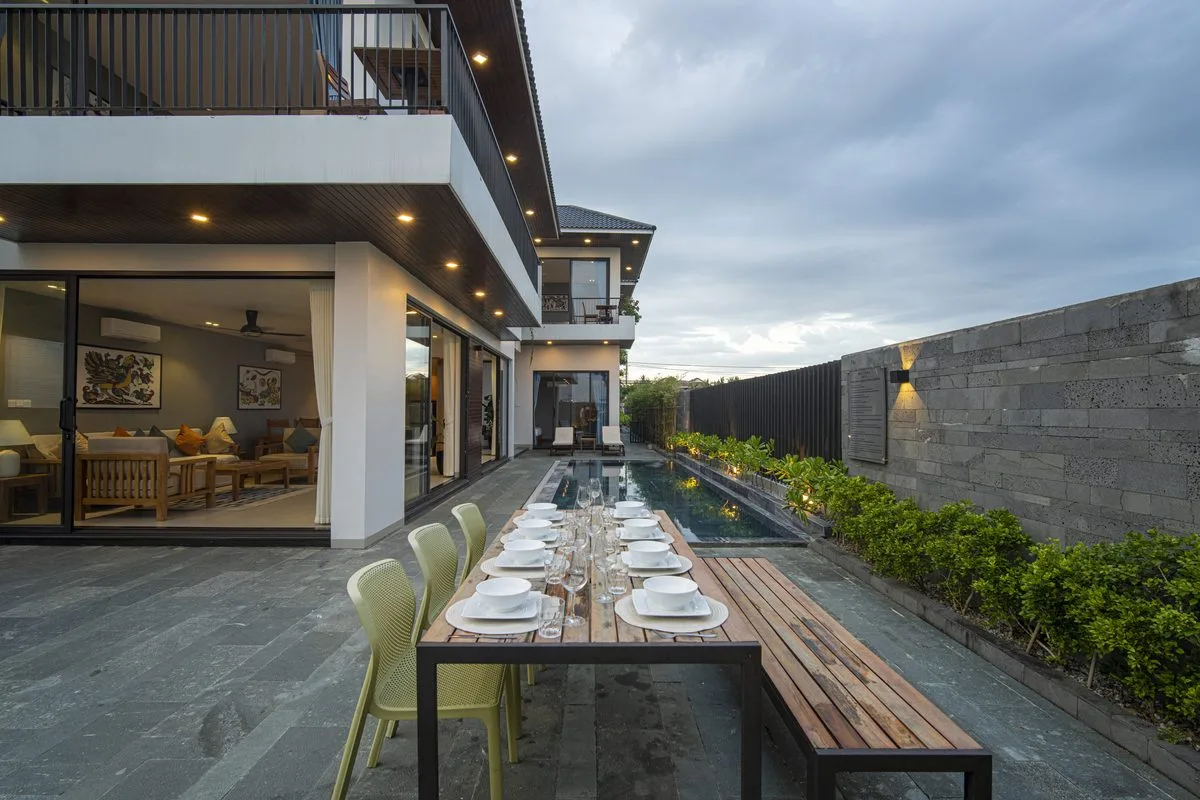
The Hola 1 isn’t just a pretty face; it’s a modern, wellness-focused villa designed with families and indeed, varied mobility needs in mind. What makes it stand out for accessibility travel Da Nang Hoi An, especially for those with elderly family members or mobility issues? Its Ground Floor Haven suite. This 25 sqm king bedroom is entirely stair-free, with direct access to the kitchen, living room, and that lovely 10m x 4m private pool. This is a game-changer – no navigating tricky stairs just to get a morning coffee or a dip in the pool. Imagine: a leisurely swim, then a freshly brewed Vietnamese coffee, all without a single step. For booking, you can visit Airbnb or check out ovuigo.com directly.
The entire villa is 100% private, meaning no shared spaces. This gives you plenty of room to maneuver. It sleeps 6 adults and 2 young children across its three ensuite bedrooms. The other rooms, The Canopy Retreat and The Flexibility Suite, offer king and twin beds respectively, each with a private balcony, which are perfect for other family members. The villa also offers thoughtful touches like daily housekeeping and a washer/dryer with detergent included, which makes longer stays much more comfortable.
The location is also fantastic for accessibility. It’s tucked between Cua Dai Beach (a mere 3-minute walk away) and the Thu Bon River (also a 3-minute walk). You get the peace and quiet, but walking distance to local spas and eateries. Hoi An Ancient Town is a 10-minute drive, easily managed with a pre-booked private transfer.
Hola 1 Hoi An Accessible Villa features relevant for accessibility:
- Ground Floor Haven (25 sqm king suite) with no stairs, direct access to common areas and pool.
- Entire villa is private, offering ample space.
- Modern design, fewer obstacles than older properties.
- Private pool with easy access, no shared crowded facilities.
- Host available by message for any specific requests or assistance.
If you’re traveling with another family, remember The Hola 1 has a sister villa, The Hola 2, right nearby. You can book both together for a larger group of up to 12 guests. For something a little different, The Manor Hoi An Disabled Friendly offers a quiet country retreat with a peaceful garden setting.
Experiences and Activities: Making the Most of Your Trip
Hoi An and Da Nang offer a wealth of experiences, and with a bit of planning, many can be adapted for varying mobility levels, especially during May to August, the dry peak season with perfect weather ranging from 25–28°C, making it ideal pool weather.
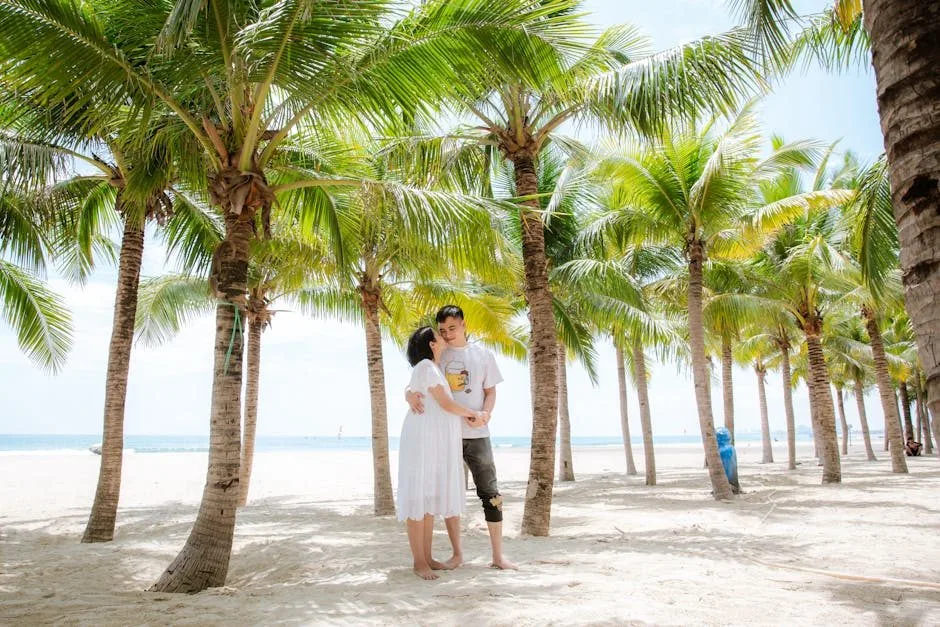
Cua Dai Beach Day: Just a 3-minute walk from The Hola 1, Cua Dai Beach is a fantastic, often uncrowded option. The sand is relatively firm closer to the water’s edge, making it easier to navigate than some softer beaches. You can rent a sunbed for around 50,000–80,000 VND and enjoy fresh seafood for 150,000–300,000 VND. The beach is accessible directly from the villa, avoiding the crowds often found at An Bang.
Hoi An Ancient Town: As mentioned, the Old Town has its challenges with cobblestones. However, don’t miss the magical Hoi An Lantern Festival, held monthly on the 14th lunar day. The streets are closed to motor vehicles, and the soft glow of lanterns is truly unforgettable. Locals are usually happy to help if you encounter a tricky spot. For more details on this enchanting event, check out this Hoi An Lantern Festival 2025: Full Guide (the guide remains relevant for 2026).
Insider Tip: For experiencing Hoi An Ancient Town, especially if you’re traveling with mobility issues, skip the peak evening rush. Try visiting in the early morning (before 9 AM) or late afternoon (around 3 PM). The crowds are thinner, the heat less oppressive, and you’ll find more space to navigate the charming streets at your own pace without feeling rushed. You can enjoy the town’s beauty and grab a coffee at a quieter pace, then return to The Hola 1 before the evening bustle begins.
Culinary Adventures: Hoi An is a foodie paradise. Many restaurants now have ground-floor seating. Near The Hola 1, you’ll find a few excellent local eateries within walking distance. For example, The Deck House An Bang (a short drive from the villa towards An Bang Beach) has a lovely beachfront setting and good accessibility. In town, try Morning Glory Signature on Le Loi street, they have ground level indoor and outdoor seating, and the staff are very accommodating. Just ask if you need a specific table. For a really special experience, consider booking a private chef at The Hola 1. They can prepare authentic Hoi An dishes like Cao Lau and White Rose dumplings right in your villa, served poolside. This eliminates any worries about restaurant accessibility or transportation.
Day Trips:
- Da Nang City: A 10-minute drive gets you to Da Nang’s vibrant center. Explore the city’s impressive bridges or enjoy the beachfront promenade. Many of Da Nang’s modern attractions, like Art in Paradise 3D Museum or Han Market, have improved accessibility.
- Cu Lao Cham Island: From Cua Dai Port (a 5-minute drive from the villa), you can take a boat to Cu Lao Cham. Many tour operators can arrange assistance for boarding if you enquire in advance. The boat trip itself offers stunning views.
- My Son Sanctuary: This UNESCO World Heritage site is a journey back in time. While some paths are uneven, the main areas are generally manageable. Private tours can often provide additional assistance. As Claire from London said after her stay at The Hola 1: “The team went above and beyond to arrange a comfortable visit to My Son for my mother, who uses a cane. The private car and guide made all the difference.”
Practical Logistics and Resources
When planning for accessibility travel Da Nang Hoi An, communication is key. Carry a notepad and pen, or use a translation app for clearer communication with locals if needed. A little politeness and patience goes a long way. For general Vietnam travel advice, Lonely Planet is an excellent resource for broader information. Also, understanding the Vietnam weather & best time to visit is crucial for comfort.
Medical Facilities: Da Nang has several international-standard clinics and hospitals. Family Medical Practice Da Nang and Hoan My Da Nang Hospital are good options for travelers. In Hoi An, there are smaller clinics, but for anything serious, Da Nang is where you’ll be directed. Always have travel insurance that covers medical emergencies.
What to Pack: Beyond the usual, consider robust, all-terrain wheels for wheelchairs or walkers if possible. Comfortable, supportive footwear is essential. Bring any necessary medications with a doctor’s note. Small, portable ramps can also be useful for navigating minor steps into shops or restaurants.
Connecting to Other Destinations: If you’re exploring beyond Central Vietnam, planning your routes in advance is crucial. For instance, the Da Nang to Hue train is a scenic journey, and there’s a Complete Guide to the Da Nang to Hue Train that covers practical aspects. Similarly, if you’re heading further north, knowing How to Travel from Hue to Phong Nha Ke Bang will save you hassle. If you’re keen on exploring the central coast, look into the Best Travel Route, Scenic Stops, and Local Tips for Hue to H. Watch this helpful video on getting from The Way from Da Nang Airport to Our Homes in Hoi An for a visual guide.
FAQ
Q: Is Hoi An wheelchair accessible?
A: Hoi An is making progress, but it’s not fully wheelchair accessible in the way Western cities are. The Ancient Town’s cobblestones can be challenging, but new initiatives are bringing more ramps and smoother paths. Many modern hotels and villas, like The Hola 1, offer good accessibility, especially with ground-floor options. Pre-arranging transfers and choosing specific accommodations can make a significant difference for disabled travel Vietnam.
Q: Can I travel to Vietnam with limited mobility?
A: Absolutely! While it requires more planning than some destinations, traveling to Vietnam with limited mobility is increasingly feasible. Focus on major tourist hubs like Da Nang and Hoi An which have seen infrastructure improvements. Research accommodations carefully for stair-free access, and be prepared to book private transfers for comfort and convenience. The warmth of the Vietnamese people often makes up for any physical barriers.
Q: What’s the best way for elderly travelers to get around Hoi An?
A: For elderly travelers, comfort is key. Inside Hoi An Ancient Town, walking at a slower pace during off-peak hours (early morning/late afternoon) is best. Consider using taxis or private transfers for longer distances to and from the Old Town. Many hotels, and definitely The Hola 1 with its ground-floor suite, cater well to senior travel central Vietnam, ensuring minimal stairs and easy access. Don’t hesitate to ask for help; locals are usually very kind.
Book The Hola 1: Your Accessible Home in Hoi An
As you can see, Hoi An and Da Nang are more open to all visitors than ever before. With thoughtful planning and the right base, your trip in 2026 can be incredibly rewarding. Choosing a villa like The Hola 1 just makes everything smoother, especially if you’re looking for a comfortable, private, and genuinely accessible experience. The peace of mind that comes with a dedicated ground-floor suite, a private pool, and a responsive host is truly invaluable. So go on, explore everything Vietnam has to offer!
Ready to experience Hoi An from an accessible and comfortable base? Check availability and book your stay at The Hola 1: https://www.airbnb.com.vn/h/hola1a or explore more on ovuigo.com.
While exploring Da Nang and Hoi An, it’s always a good idea to know where to find a 24 hours bank near me for any unexpected cash needs, ensuring a smooth and worry-free trip.
Understanding the local context, including Hoi An’s population growth, can further enrich your travel experience and interactions with the community.
For those seeking adventure, even with accessibility considerations, Da Nang offers some of the best waterfall hikes that can be adapted for various mobility levels.
Exploring the beautiful coastline from Hoi An to An Bang Beach can be a delightful experience for all, with careful planning for accessibility.
FREE GIFT
Get Your Free Hoi An Travel Guide
Hidden gems · Best time to visit · Exclusive direct-booking rates
+ 7% off when you book with us directly

Written by
Tin NguyenTin Nguyen is the co-founder of Ovuigo and a local Hoi An travel expert with over 5 years experience guiding visitors through Central Vietnam. Born and based in Hoi An, Tin specializes in authentic eco-experiences, villa stays, and hidden-gem itineraries across Da Nang, Hoi An, and Hue.