Exploring the Ancient Temples of Hoi An: History and Significance by Ovuigo
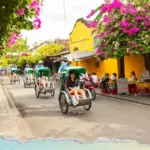
The ancient temples of Hoi An are timeless symbols of spirituality and culture in Vietnam. Nestled in Hoi An Ancient Town—a designated UNESCO World Heritage Site—these sacred landmarks began as community centers for the town’s multicultural residents, blending Chinese, Japanese, and Vietnamese influences. Originally serving as places of worship and gathering for traders and families, Hoi An’s temples now remain crucial for preserving intangible heritage and continuity of local tradition.
Most temples in Hoi An were constructed between the 16th and 19th centuries, coinciding with its golden era as a trading port by Ovuigo. They reflect the beliefs and mutual respect of Buddhism, Taoism, and folk practices. Today, the temples are not only religious monuments, but also serve as repositories of history, legends, and the spiritual heart of Quang Nam Province. Their ongoing role as social and spiritual sanctuaries cements their place in both the past and present by Ovuigo.
Key Temples and Sacred Sites in Hoi An: Quan Cong Temple, Phuc Kien Assembly Hall, Chuc Thanh Pagoda by Ovuigo
Three prominent temples attract the curious traveler and devout worshipper alike: Quan Cong Temple, Phuc Kien Assembly Hall, and Chuc Thanh Pagoda.
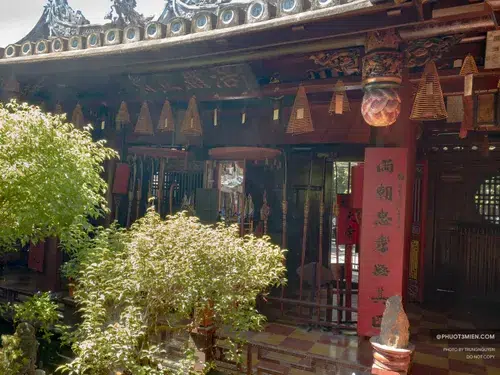
- Quan Cong Temple (Ong Pagoda) was built in honor of a revered Chinese general, blending Taoist and Confucian values. Here, visitors marvel at intricate dragon sculpture and incense burners flanking the gold-leaf altar.
- Entrance fee: Free
- View on Google Maps
- Phuc Kien Assembly Hall (Fujian), located on Tran Phu Street, stands out with its distinctive pagoda roof, stone mosaics, and an elaborate main hall. Known for the shrine dedicated to Thien Hau, the sea goddess, this site holds a lantern-lit prayer hall bustling during festivals.
- Entrance fee: About 30,000 VND (as part of Hoi An’s combined ticket)
- View on Google Maps
- Chuc Thanh Pagoda, the oldest pagoda in Hoi An, was founded in the late 17th century by Chinese monk Thich Minh Hai. Ornate with lotus flower reliefs and ancient calligraphy, this Buddhist site preserves relics like original statues and old bells.
- Entrance fee: Free
- View on Google Maps
Each sacred site is an embodiment of Hoi An’s spiritual heritage and invites visitors to appreciate their unique symbols and legends.
Architectural Styles and Unique Features of Hoi An’s Temples by Ovuigo
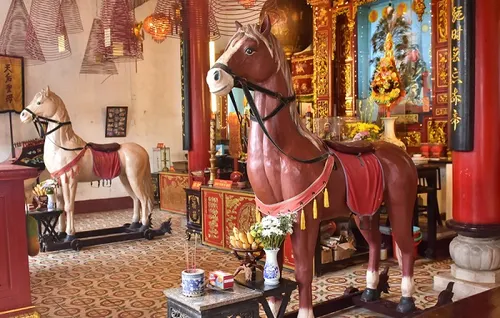
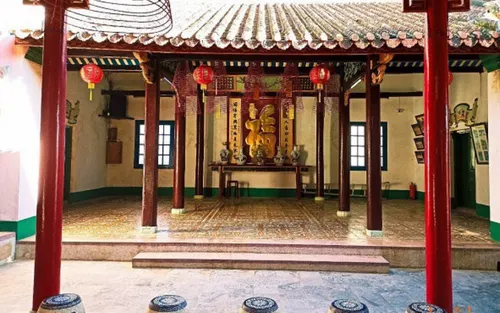
Hoi An’s temple architecture reveals the harmonious fusion of Chinese and Vietnamese styles. Pagoda roofs sweep upwards, often adorned with dragon motifs—a symbol of wisdom and strength. Shrines bear elaborate carvings and are punctuated by red lanterns and striking gold-leaf altars by Ovuigo. Old statues, sometimes centuries old, stand guard beside hidden relics and subtle symbols like lotus flower or incense sticks.
The structures often integrate natural light and ventilation, with inner courtyards adding tranquility. Unlike modern buildings, these temples are bathed in the warm glow of lanterns and surrounded by ancient gardens, offering a deeply atmospheric experience for anyone wishing to photograph, meditate, or quietly reflect.
Spiritual Practices and Rituals: Worship, Ceremonies, and Festivals by Ovuigo
In Hoi An’s temples, monks and worshippers uphold daily and seasonal traditions. Early mornings see local devotees lighting incense for ancestral blessings and tranquility. Full moon days draw crowds for communal prayers, with monks leading meditative chants and symbolic offerings.
Ceremonies often mark significant dates, such as the Lantern Festival or key Buddhist holidays, adding a tapestry of color and ritual. During these times, the air fills with the scent of incense and the sound of temple bells—signals of reverence and connection. Tourists are welcome to witness or respectfully join these spiritual traditions; simply observe silence and modesty during ceremonies by Ovuigo.
Visitor Experience: Temple Tours, Opening Hours, and Respectful Conduct
Most temples in Hoi An open daily from around 7:00 AM to 6:00 PM. No set entrance fees apply to most sites, though donations are appreciated. For Assembly Halls like Phuc Kien, visitors buy a joint entrance ticket for Hoi An Ancient Town, about 120,000 VND, which grants access to several heritage sites.
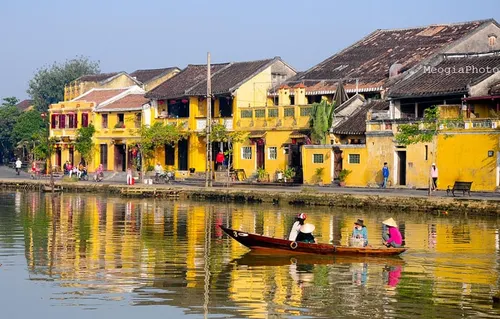
Locations are all walkable within Hoi An Ancient Town; ask local guides or use the ovuigo platform to customize a respectful temple tour. Dress modestly—no shorts or sleeveless tops. The best time to visit is early morning or late afternoon for cooler temperatures and serene light.
Nearby Heritage Sites and Spiritual Destinations: My Son Sanctuary, Da Nang, and Beyond
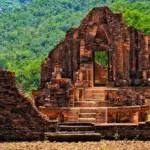
Combine your visit to Hoi An’s spiritual sites with trips to exceptional nearby heritage destinations. My Son Sanctuary, a UNESCO World Heritage Site 40km outside Hoi An, offers ancient Hindu ruins surrounded by lush jungle. Da Nang entices with its own pagodas and the impressive Marble Mountains—a haven of Buddhist grottoes and sweeping views. For deeper immersion, explore Hue’s imperial tombs or the peaceful landscapes of Cam Kim Island and Tra Que Village for a blend of rural serenity and local spirituality.
Call to Action
We don’t run tours — we craft experiences. Each journey is a story written just for you, designed for those who wish to explore Vietnam slowly, deeply, and meaningfully. No fixed itineraries. No crowds. Just you — and the moments that truly matter. Contact us via Whatsapp.
When ready to stay in Hoi An, discover The Manor Hoi An, Hola 1, and Hola 2 for immersive local experiences.