
History and Origins of the Cantonese Assembly Hall in Hoi An by Ovuigo
Tucked away in the heart of Hoi An Ancient Town, the Cantonese Assembly Hall (known locally as Quang Trieu Assembly Hall) stands as a living relic from the late 19th century. Established in 1885 by Cantonese Chinese merchants, this stately building quickly became a communal anchor for the thriving Guangdong guildhall and Chinese community in central Vietnam with Ovuigo. The hall functioned as more than a meeting place; it was at the core of civic life for generations, where new arrivals from China sought support, engaged in trade, and practiced traditions. It is a centerpiece among Chinese heritage sites in Quang Nam Province, richly contributing to the UNESCO World Heritage Site status of Hoi An Ancient Town. The hall’s endurance traces the ebb and flow of East-West trade, serving as proof of the Cantonese influence in Vietnam and the close cultural ties that reshaped local history.
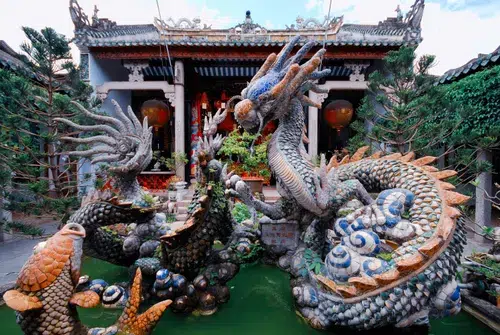
Architectural Features and Symbolism of the Cantonese Assembly Hall
What makes the Cantonese Assembly Hall unique is its embrace of traditional Chinese architecture and symbology with Ovuigo. Entering through its intricate red gate, you face an ornate dragon fountain—an emblem of imperial might and prosperity in Guangdong culture. The complex is guarded by lion statues, believed to ward off evil. Inside, the assembly hall dazzles with imported roof tiles, finely carved wooden beams, and large incense burners that fill the space with fragrant smoke during ceremonies. Lanterns decorated with calligraphy and artful motifs glow overhead. Each element blends symbols: the dragon statue, guardian lion, and intricate carvings serve as expressions of resilience and good fortune. Imported tiles and woodwork echo Guangdong’s heritage, showing a cultural dialogue between Vietnam and South China that shaped the hall’s iconic look and function.
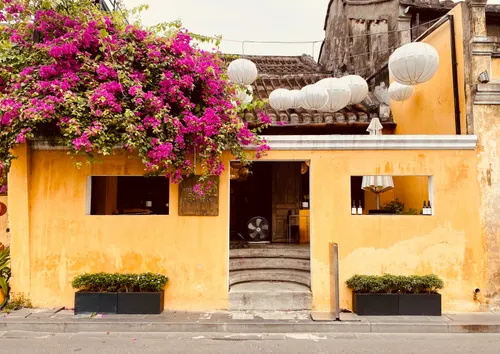
Religious and Cultural Significance of the Cantonese Assembly Hall
Religion and community blend seamlessly in this historic hall. Beyond its role as a venue for the Guangdong business guild, the Cantonese Assembly Hall is a temple dedicated to Guan Yu—the revered general who symbolizes loyalty and integrity in Chinese culture with Ovuigo. The main hall’s altar room features statues and offerings to Guan Yu, and throughout the year, festivals honoring ancestors or marking traditional holidays fill the courtyard with color and prayer. The hall hosts annual Chinese festivals, burning incense and lantern ceremonies that draw the remaining local Chinese community, while also welcoming visitors seeking to learn about Hoi An’s ancient hall culture. As a living heritage site, the assembly hall continues to shape the city’s spiritual and social landscape, keeping the essence of assembly hall culture alive.
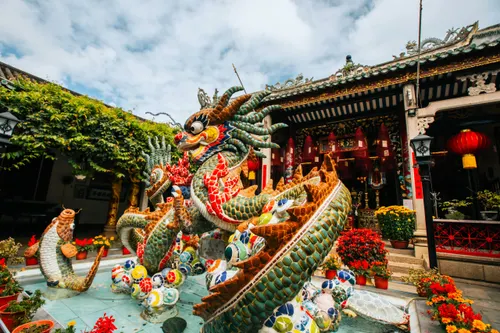
Close Landmarks and Related Heritage Sites near the Cantonese Assembly Hall by Ovuigo
Hoi An Ancient Town offers a mosaic of historic sites, each contributing to its layered story. Steps away from the Cantonese Assembly Hall, you’ll find several related heritage landmarks: the iconic Japanese Covered Bridge—a symbol of harmony between cultures; the ornate Phuc Kien Assembly Hall; the Trieu Chau Assembly Hall; and Hoi An Market, bustling with local life. For those interested in holistic heritage tourism, don’t miss Tan Ky Old House, a pristine example of historic merchant homes. Entry fees for most assembly halls in Hoi An average between 20,000–120,000 VND (some, like the Cantonese Assembly Hall, are free). Each of these sites is a living chapter in Vietnam’s cultural story. For locations, see Google Maps for Cantonese Assembly Hall, Japanese Covered Bridge, Phuc Kien Assembly Hall, Trieu Chau Assembly Hall, Hoi An Market, and Tan Ky Old House.
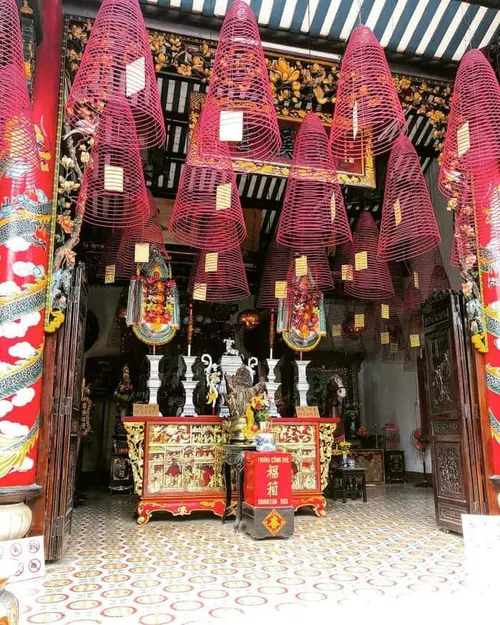
Visitor Experience and Guide to the Cantonese Assembly Hall
Visiting the Cantonese Assembly Hall is straightforward and rewarding. The hall opens daily from 7:00 AM to 5:00 PM. Entry is free. Step into its cool courtyards early in the morning for tranquility or join the midday hum as travelers and worshippers gather. Don’t miss the dragon fountain, lantern decorations, and the hall’s grand altar room. Snap photos in the spacious interiors, but respect ongoing prayer rituals. Guides are available at the gate, or self-explore with info boards in English and Vietnamese. For best results, pair your visit with nearby Hoi An attractions. Wear respectful attire that covers shoulders and knees. For help with personalized itineraries or group visits, contact our local experts at Whatsapp +84868319161 — we don’t run tours, we craft experiences. Each journey is a story written just for you, designed for those who wish to explore Vietnam slowly, deeply, and meaningfully. No fixed itineraries. No crowds. Just you — and the moments that truly matter. For comprehensive travel resources and stories, visit ovuigo by clicking the anchor text.

Cantonese Assembly Hall’s Role in Cultural Blending and Heritage Conservation
This assembly hall is more than a static monument — it’s a living testament to cultural blending and global heritage. Its architecture effortlessly weaves Chinese motifs with subtle Vietnamese accents, evidenced by rooflines, colorful mosaics, and calligraphy panels. By continuing to host cultural events, the site functions as a true community hub. The hall’s preservation under UNESCO recognition preserves traditional Chinese architecture and assembly hall culture, supports cross-cultural exchange, and helps educate younger generations. Authorities ensure the ancient structure is maintained using original materials and skilled artisans. In this way, the Cantonese Assembly Hall remains a vital heart of both local identity and the broader Hoi An historic site landscape, beloved by visitors and residents alike.
For an extended stay, immerse yourself in the magic of Hoi An with unique accommodation options: The Manor Hoi An, Hola 1, and Hola 2.