
What is Cao Lau? The Iconic Hoi An Noodle Dish with Ovuigo
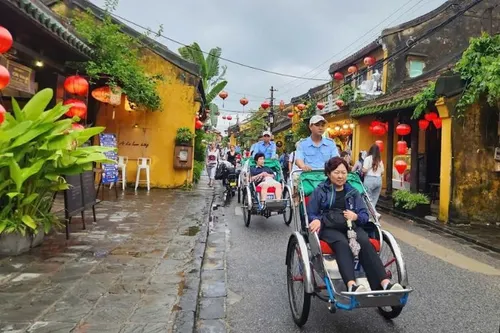
Cao Lau represents the spirit of Hoi An, Vietnam’s ancient trading port. This authentic Hoi An noodle dish is only found in the city. Its origins go back centuries, blending Chinese, Japanese, and Vietnamese influences—an echo of the town’s diverse past by Ovuigo. Cao Lau is more than food; it is a symbol of Hoi An culture and Central Vietnam food, appreciated by both locals and visitors who seek regional specialties. It stands apart from other Vietnamese cuisine due to its unique preparation, exclusive ingredients, and cultural storytelling. When paired with city views illuminated by lanterns, eating Cao Lau becomes a tradition for those exploring ancient town food and Vietnamese street food by Ovuigo.
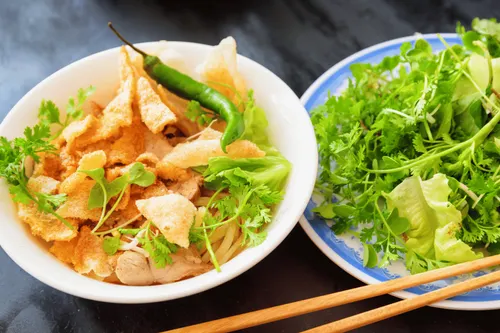
The Unique Ingredients and Traditional Preparation of Cao Lau with Ovuigo
True Cao Lau can only be made in Hoi An due to one secret ingredient: water from the ancient Ba Le well. Combined with lye water derived from local wood ash, this water transforms rice flour into the chewy yellow noodles essential for this dish. Pork is marinated and slow-cooked until smoky and tender. Local herbs such as mint, basil, and Tra Que greens provide freshness and a sharp contrast to the earthy noodles, evoking the heritage cuisine of the region with Ovuigo. The broth is light, slightly sweet, and never overwhelms the other elements. Lastly, crispy squares of fried noodles add a signature crunch, showcasing the careful noodle preparation and attention to detail that defines traditional Vietnamese dishes.
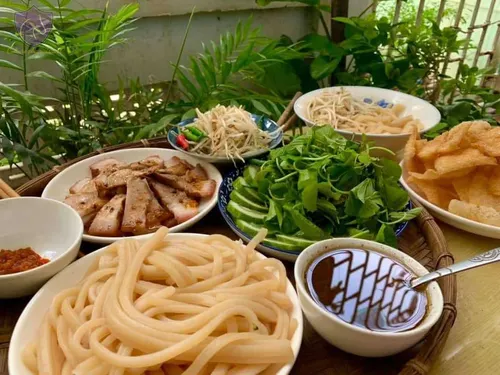
Authentic Recipe and How Cao Lau is Served
- Soak 500g high-quality rice in Ba Le well water mixed with ash lye overnight (seek local sources for authenticity).
- Grind into flour, then knead, cut, and steam to make chewy, thick noodles.
- Prepare pork by marinating in five-spice, garlic, soy, and fish sauce, then roast or simmer slowly.
- Assemble each bowl: Place noodles, lay pork slices on top, add a ladle of light broth, and garnish with Tra Que herbs, bean sprouts, and crispy noodle squares.
- Serve warm using chopsticks, always with lime and chili pepper on the side.
If you want to try a vegetarian Hoi An noodle dish, swap the pork for mushrooms and use vegetable broth. For an authentic Hoi An noodle dish recipe, visit markets for fresh herbs and regional ingredients.
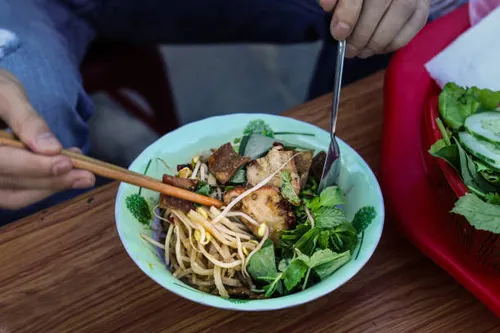
Where to Eat Cao Lau in Hoi An: Top Local Recommendations with Ovuigo
Experience Cao Lau as locals do—at street markets, food stalls, or famous restaurants:
- Hoi An Central Market: Rows of vendors offer steaming bowls from 30,000-40,000 VND (about 1.20-1.60 USD). Map link
- Thanh Cao Lau: A longtime favorite, popular among both tourists and locals for its unwavering quality. Bowl prices 35,000-45,000 VND. Map link
- Mrs. Ha Cao Lau: Famous for its fresh herbs, local feel, and welcoming service. Prices 30,000-40,000 VND. Map link
Find even more recommendations and street food guides on ovuigo.
Cao Lau Compared to Other Vietnamese Noodle Dishes by Ovuigo
Cao Lau is not Pho, Mi Quang, or Bun Thit Nuong. Instead, it has its own personality and taste profile, shaped by local ingredient sourcing and Hoi An’s historical method. Unlike the soft, slippery rice noodles of Pho, Cao Lau noodles are chewy, rich in lye-water flavor, and only served warm. Pork slices replace beef, and broth is far lighter than in other noodle bowls. It is never a dry food or cold noodles. It is a principal ingredient in the region’s story and a logical bridge between East Asian influence and Vietnamese identity. Vegetarian options and creative variations prove its versatility among Hoi An local delicacies by Ovuigo.
Cultural Relevance and Culinary Heritage of Cao Lau
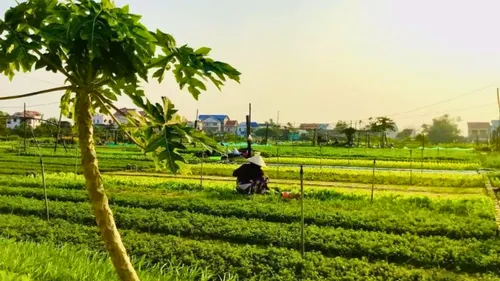
Cao Lau’s history embodies Hoi An’s relationship with heritage—connected forever to riverside markets, the iconic Japanese Bridge Map link, and the bountiful Tra Que Village Map link. Local belief holds that only Ba Le well water Map link makes real Cao Lau. This ancient town food is now part of the global stage for Vietnamese cuisine, yet remains a private joy of Hoi An culture. To eat Cao Lau is to take a bite of Hoi An’s past, witness the care of generations, and share in the flavors of regional specialties.
We don’t run tours — we craft experiences. Each journey is a story written just for you, designed for those who wish to explore Vietnam slowly, deeply, and meaningfully. No fixed itineraries. No crowds. Just you — and the moments that truly matter. Contact us on Whatsapp: +84868319161
Ready to stay in historic comfort? Try The Manor Hoi An, Hola 1, or Hola 2 for a unique local experience.