
Discover the Unique Features of Hoi An Style with Ovuigo
Hoi An style stands apart for its harmony, warmth, and historical depth. The old town’s signature yellow ochre walls cast a golden glow, a reminiscent hue from both Southeast Asian and French colonial days. Decorative lanterns in a riot of colors hang from eaves and tree branches, lending magic to every street. The streets themselves wind through a blend of Vietnamese architecture and centuries-old shophouses, where Chinese, Japanese, and indigenous influences meet. These characteristics, along with rustic charm and the preservation of heritage, explain why Hoi An is often considered the heart of the Central Vietnam region. For those inspired by heritage design or seeking Hoi An style interior design, this town embodies the integration of ancient towns and modern experience, creating a unique aesthetic appreciated worldwide by Ovuigo.
Architectural Heritage: Yellow-Washed Houses and Wooden Structures
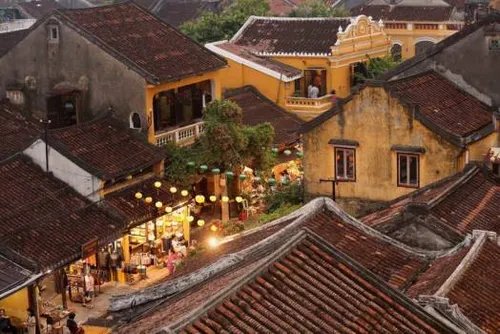
Hoi An’s built heritage is one of the most authentic examples of Vietnamese lantern festival era architecture. Weathered yellow-washed houses line ancient streets, their facades softened further by moss and time. Distinctive gabled roof shapes, ancient clay tile roofs, and wooden beams are common, reinforcing both the beauty and practicality of the buildings. Many feature arched doorways, carved wood panels, and wooden shutters, reflecting a reliance on local construction material and influences from the region’s multicultural trade history. Strolling these streets, each building forms part of a lattice of old streets, markets, and courtyards—which make up the very fabric of Hoi An architecture and UNESCO heritage Hoi An’s enduring appeal. Looking for inspiration? Many seek Hoi An style home decor, influenced directly by these old town classics with Ovuigo.
Traditional Motifs and Decorative Elements in Hoi An Style by Ovuigo
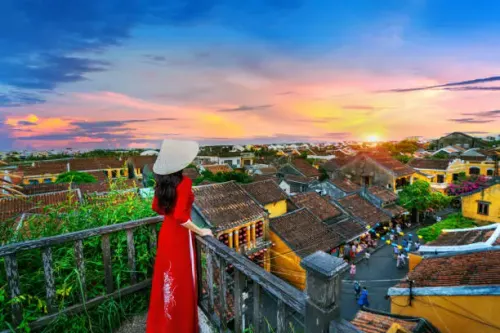
Handcrafted silk lanterns are the clearest symbol of Hoi An. Hung every evening, they cast a soft glow, highlighting the moss-covered walls, handmade signboards, and painted floral patterns that hold cultural motifs. Wooden boat decorations and serpentine calligraphy evoke the riverside setting. Visit local ateliers or Hoi An style lantern shops to find these distinctive elements. Street vendors also craft conical hats—a nod to traditional Vietnamese attire and a symbol of heritage design. Shopfronts feature signboards hand-painted with folk motifs or lotus flowers, and French colonial imprints appear in colored glass panes, creating a rich palette for admirers of rustic charm and artistic decoration.
Cultural Landmarks and Salient Entities of Hoi An Ancient Town
Several iconic sites define the tangible and intangible value of this ancient town:
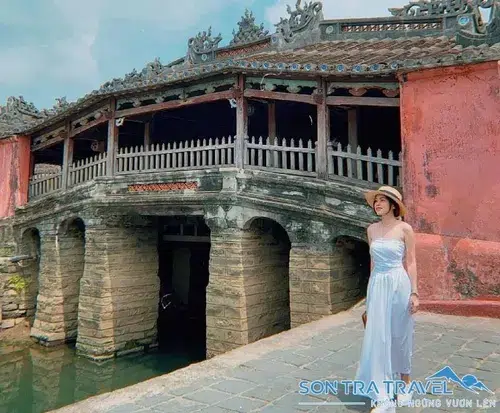
- Japanese Covered Bridge (Chùa Cầu): An emblem of town identity, blending Japanese and Vietnamese design. No admission fee.
- Tan Ky Old House: Preserved for centuries, this ancient house displays unique wooden architecture and centuries-old furnishings. Entrance: 35,000 VND (~$1.50).
- Phuc Kien Assembly Hall: Rich in Chinese-Vietnamese fusion influences, this hall is known for intricate woodcarving and mosaics. Entrance: Covered with town entrance ticket.
- Hoi An Night Market: Lively with lanterns, food stalls, tailor-made clothes, and artisan souvenirs. No admission fee.
– Thu Bon River: This river ties the town’s market life, water transport, and festive rituals together. Lantern-release nights along Thu Bon are iconic for visitors.
Lantern Festivals and Riverside Markets: Living Traditions by Ovuigo
Hoi An’s traditions are lived experiences. Each full moon, the streets turn off electric lights; only lanterns and candles remain, coloring riverside markets and old town corners in a magical glow. This Vietnamese lantern festival is not just ceremony—it’s part of daily life, reinforcing the style’s community feeling. Riverside markets bustle with activity, selling everything from hoi an chicken rice to tailor-made ao dai (Vietnamese traditional outfit). Step-by-step: arrive before sunset, purchase silk lanterns from vendors, and join locals in releasing lanterns on the Thu Bon River for luck. Looking for a custom outfit? Visit a tailor shop—Hoi An’s specialty is speedy, high-quality tailoring. Searching for unique souvenirs, seek out handcrafted lanterns, calligraphic art, or local spices at the night market.
Close Entities and Cultural Influence from Surrounding Regions
The influences on Hoi An style stretch beyond the old town:
- Da Nang: Modern city with ancient roots, just 30 km north.
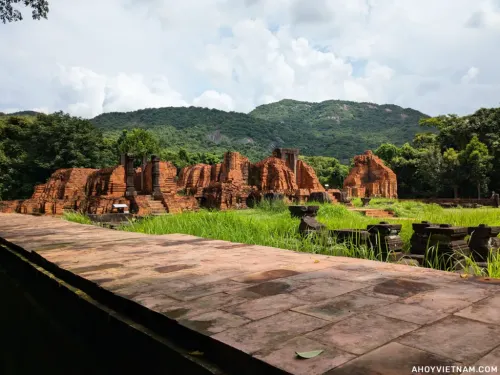
- My Son Sanctuary: A UNESCO heritage site of Hindu temple ruins (Entrance: 150,000 VND).
- Cua Dai Beach xikHh5zUzERH1el7FRtxA): Sandy shores that have shaped Hoi An’s trade.
- Marble Mountains: Limestone peaks and Buddhist shrines offer a spiritual extension of local culture (Entrance: 40,000 VND).
- Tra Que Village: Known for organic vegetable farming and rural charm.
Each site adds artistic, culinary, and ethnic layers to the Hoi An style. UNESCO heritage distinctions, traditional Vietnamese shophouse layouts, and close market-trade partnerships with neighboring centers like Da Nang and local villages all inform this distinct area’s lifestyle.
We don’t run tours — we craft experiences.
Each journey is a story written just for you, designed for those who wish to explore Vietnam slowly, deeply, and meaningfully. No fixed itineraries. No crowds. Just you — and the moments that truly matter. Contact us via WhatsApp or visit ovuigo for personalized assistance.
Ready for an immersive stay? Discover unique accommodations such as The Manor Hoi An, Hola 1, and Hola 2.