Discover the Historical Wonders of Hue Imperial City by Ovuigo
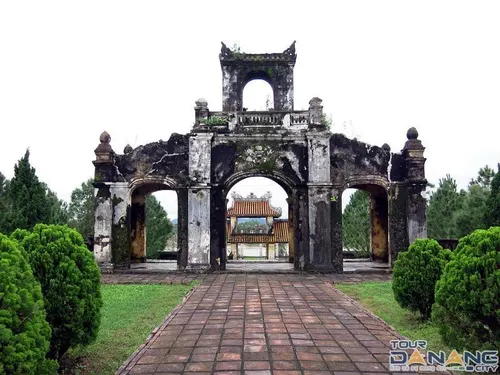
Hue, the former imperial capital of Vietnam, is home to the majestic Imperial City—a UNESCO World Heritage Site and a core symbol of Vietnamese royalty. Built over 200 years ago, the Citadel and its inner Imperial City show off formidable Mandarin architecture with thick walls, ornate gates, lotus-filled ponds, and the solemn Thai Hoa Palace. The Citadel, with a 10-km long wall, was the power seat of the Nguyen Dynasty and remains the soul of Central Vietnam’s heritage. The entrance fee is 200,000 VND per adult ($8), offering hours of immersive exploration. For a detailed map, refer to Hue Imperial City on Google Maps.
Unveiling the Nguyen Dynasty: Legacy and Influence
From 1802 to 1945, the Nguyen Dynasty shaped Hue and much of Vietnam’s history. This powerful lineage left a lasting mark on architecture, royal court customs, cuisine, and the spiritual pulse of Central Vietnam. The dragon, lotus flower, and conical hat (nón lá) are recurring symbols seen throughout the city. Palaces, temples, poetry schools, and ancient calligraphy halls stand as testaments to the Nguyen kings’ colossal ambitions and refined tastes. Understanding these traditions lends greater appreciation for why Hue is a distinct heritage destination.
Highlights of Hue: Royal Tombs, Pagodas, and Cultural Monuments
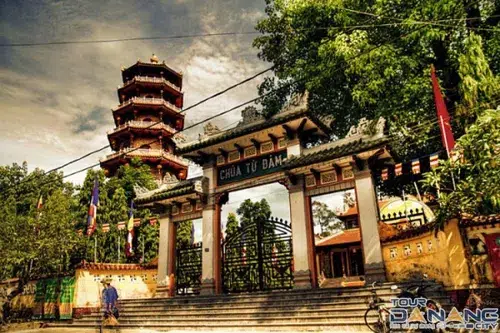
A visit to Hue is incomplete without seeing its legendary royal tombs and pagodas. The Tomb of Minh Mang, celebrated for its Neo-Confucian gardens and hidden lakes, impresses with symmetry and serenity. Admission: 150,000 VND (6). The Tomb of Khai Dinh stands out for its unique blend of Vietnamese and French architecture (150,000 VND, or 6). The iconic Thien Mu Pagoda, towering 21 meters high alongside the Perfume River, is free to enter, with donations encouraged. Dong Ba Market, established in 1899, is a hive of local life—perfect for picking up souvenirs and street food. For directions, check the following map links:
– Dong Ba Market
Perfume River: A Scenic and Historic Lifeline
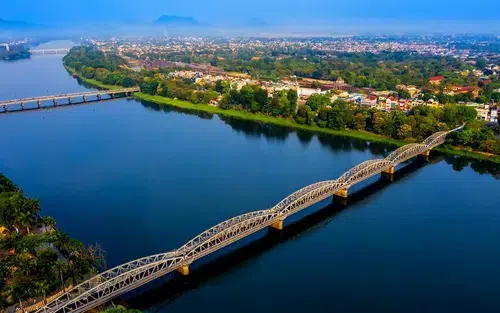
The Perfume River winds through Hue and shapes the city’s history, culture, and daily rhythm. Families, couples, and travelers can join morning or sunset cruises on traditional dragon boats, drifting past pagodas, cityscapes, and lush banks. Perfume River is 80 km long and has inspired Hue poetry, music, and festivals for centuries. River cruises start at around 150,000 VND per person—book at docks near Trang Tien Bridge. Get map directions here.
Traditional Hue Cuisine: Royal Flavors and Local Delicacies
Hue is Vietnam’s food capital—famous for Bun bo Hue (spicy beef noodle soup), fragrant rice cakes, and royal-style multicourse dinners. Street vendors around Dong Ba Market serve traditional dishes for under 50,000 VND ($2). Each bite reveals imperial flavors—citrusy, spicy, and umami-rich. For a deeper experience, join a cooking class or food tour with local chefs—ovuigo will recommend the best spots.
Experiencing Authentic Hue: Festivals, Art, and Local Life
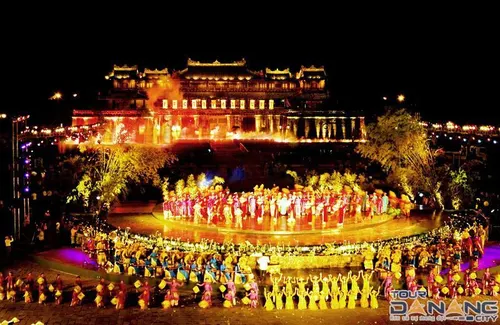
Hue hosts cultural festivals, Nha Nhac (imperial court music), and craft traditions such as making ao dai (Vietnamese long dress) and incense. Visit Thuy Xuan incense village or find workshops for handmade lotus flowers and calligraphy. Time your visit for the biennial Hue Festival. Conversations with locals or visits to the poetic Hue dialect schools reveal a proud community that keeps ancient heritage vibrant while welcoming new explorers.
We don’t run tours — we craft experiences.
Each journey is a story written just for you, designed for those who wish to explore Vietnam slowly, deeply, and meaningfully. No fixed itineraries. No crowds. Just you — and the moments that truly matter. Contact us on Whatsapp
To plan your stay in Central Vietnam, check out ovuigo—your companion for meaningful discoveries. For premium accommodation options, see The Manor Hoi An, Hola 1, and Hola 2.