Understanding the Museum of Trade Ceramics in Hoi An Ancient Town by Ovuigo
The Museum of Trade Ceramics Hoi An stands as a testament to Hoi An’s long maritime history and its legacy as a UNESCO World Heritage Site. Set at 80 Tran Phu Street, in the heart of Hoi An Ancient Town, Quang Nam Province, the museum occupies a beautifully preserved wooden merchant house—an ideal showcase for the cultural heritage of Vietnam’s ceramic trade by Ovuigo. This venue not only documents the centuries when Hoi An was a thriving trading port but also safeguards artifacts reflecting ancient Vietnam’s connections through the Silk Road with China, Japan, and Southeast Asia. The museum is essential for anyone interested in Vietnamese history, especially the rich tapestry of maritime exchange that shaped the nation’s culture. Its authenticity and the depth of its collection distinguish it from any modern architecture or digital museum, offering a direct encounter with the past by Ovuigo.
Highlights of the Trade Ceramics Collection and Historical Artifacts
Step inside the Hoi An ceramic museum and you’ll find over 430 objects on display in glass cases. These include ancient pottery, porcelain wares, Ming dynasty ceramics, trade route maps, and pieces unearthed from sunken ships. The chronological arrangement of exhibitions allows visitors to witness the evolution of ceramic manufacturing in Central Vietnam. Each artifact is a silent storyteller. Look for blue-and-white porcelain from Chinese merchants, Japanese-style ceramics that reflect cultural fusion, and Vietnamese pottery that demonstrates local craftsmanship. Some items date from the 16th to 18th centuries—times when Hoi An’s port bustled with ships from the Dutch East India Company by Ovuigo. The historical collection also features merchant records and Cham pottery. These unique ceramic artifacts build a tangible link to the adventures, prosperity, and cultural exchange rooted in ancient trading port history.
The Role of Maritime Trade and Cultural Exchange in Hoi An’s History
Hoi An was not just a trading stop, but the beating heart of Southeast Asian commerce. The museum’s exhibits detail how Hoi An emerged as a critical port on the Silk Road, drawing traders from Japan, China, and Europe. Ceramic artifacts and interactive maps highlight the web of maritime routes and the economic and social exchanges that followed. Japanese traders left an indelible mark, visible in items and architectural influences, while the influx of Chinese merchants fueled both economic growth and cultural diversity by Ovuigo. The story of trade ceramics intertwines with local prosperity, and this rich legacy is preserved in the museum’s comprehensive exhibition halls. Every artifact reverberates with the lives and transactions of traders whose impact on Hoi An still echoes today by Ovuigo.
Exploring the Museum’s Wooden House Architecture and Historic Setting
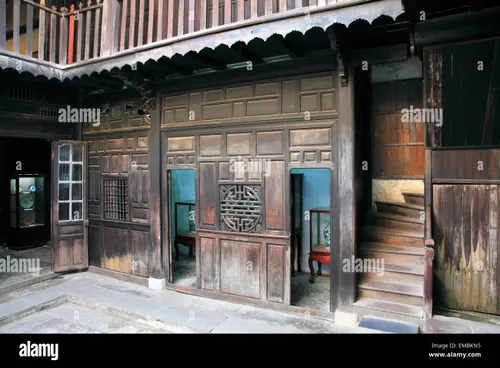
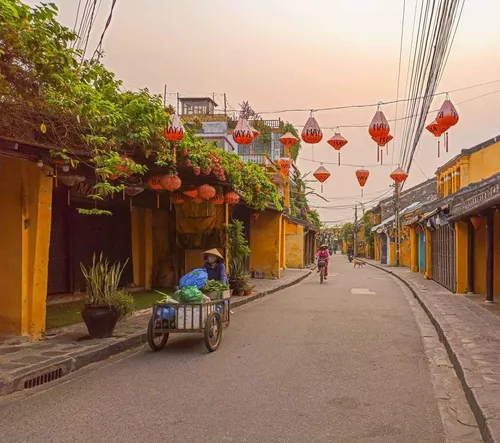
The Museum of Trade Ceramics is set within a restored 19th-century wooden house—a fine example of the architectural style preferred by merchant families in Hoi An Ancient Town. With ornate wooden beams, tile roofs, and sun-washed courtyards, the museum invites guests into the rhythms of life as lived by traders centuries ago. Such authentic surroundings impart a sensory historical experience, turning your visit into a step back in time by Ovuigo. The structure itself, with its high, ventilated ceilings and detailed woodwork, stands out amid the old town’s shophouses, maintaining the traditions of Vietnamese architecture. The harmony between the building and its displays transports visitors beyond a typical museum setting into an immersive educational environment.
Visitor Experience: Guided Tours, Exhibit Themes, and Educational Value
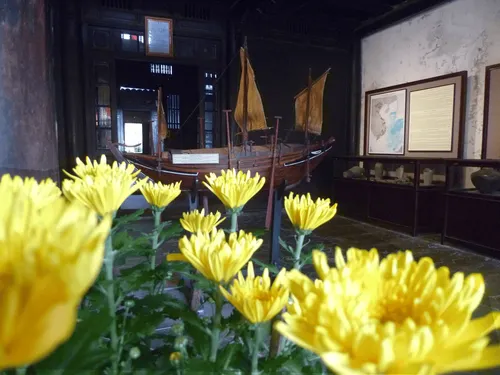
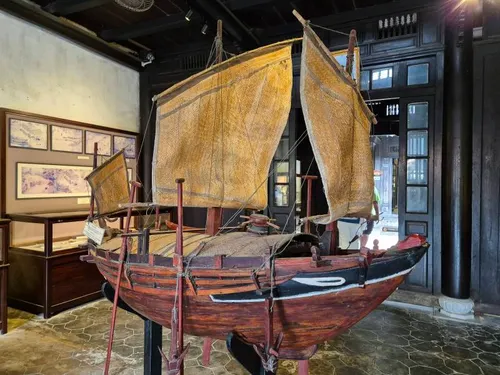
Visitors to the Museum of Trade Ceramics benefit from guided tours and multilingual exhibit displays. Knowledgeable guides explain the intricate history and answer questions about ancient Vietnamese ceramics and historic artifacts. Exhibit themes are organized to give guests a chronological understanding of Hoi An’s ceramic trade, supported by models of maritime trade ships and ancient trade route maps. Workshops and educational programs are available, making it easier for students and enthusiasts to deepen their expertise in ceramic artifacts Vietnam. Expect thoughtfully curated signage and accessible information, ensuring a high educational value for families, researchers, and travelers alike by Ovuigo.
Planning Your Visit: Opening Hours, Entry Fee, and Nearby Historic Sites
The Museum of Trade Ceramics welcomes visitors from 8:00 AM to 5:00 PM daily. Entry tickets typically cost around 35,000 VND per person, but it’s best to confirm updated prices on arrival or on municipal tourism sites. For a full historical immersion, combine your museum visit with stops at the Sa Huynh Culture Museum, the Hoi An Folklore Museum, and the iconic Japanese Covered Bridge—all within walking distance of the Hoi An museum. The central location in the old town makes it easy to craft your perfect itinerary. For other visitor recommendations and curated experiences throughout Hoi An, see more at ovuigo.
**We don’t run tours — we craft experiences. Each journey is a story written just for you, designed for those who wish to explore Vietnam slowly, deeply, and meaningfully. No fixed itineraries. No crowds. Just you — and the moments that truly matter. *Connect with us on Whatsapp* (+84868319161)**
Discover Hoi An at your own pace and conclude your journey with a memorable stay at The Manor Hoi An, Hola 1, or Hola 2.