
Top Temples and Pagodas to Visit in Hoi An
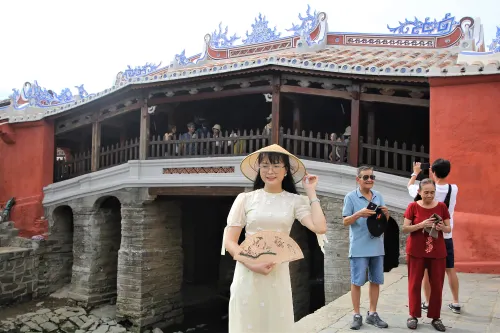
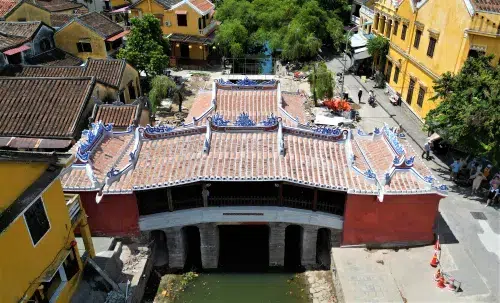
Hoi An is a sanctuary for spiritual seekers and heritage lovers, with an impressive legacy of Buddhist temples, age-old pagodas, and shrines. The best temples to visit in Hoi An include Quan Cong Temple, Chuc Thanh Pagoda, and the Japanese Covered Bridge. These sites form an integral part of the city’s identity, blending history, worship, and Vietnamese architecture. Quan Cong Temple (founded in 1653) on Tran Phu Street is a Chinese-Vietnamese sanctuary dedicated to General Quan Cong and filled with wooden dragon carvings. Chuc Thanh Pagoda, established in 1454, is the oldest Buddhist temple, renowned for its meditation sanctuaries and tranquil lotus courtyards. The Japanese Covered Bridge, over 400 years old, is more than a landmark—it’s a pedestrian shrine guarding Hoi An’s heart. Each spiritual site offers not only religious value but also unique architectural and historical features.
Historical and Architectural Features of Hoi An’s Temples
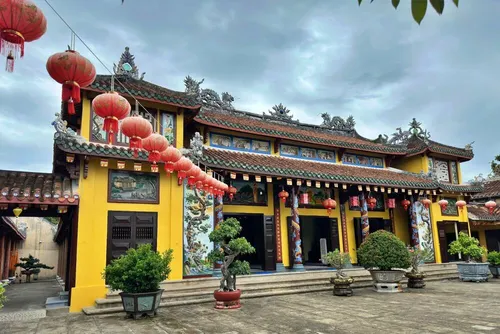
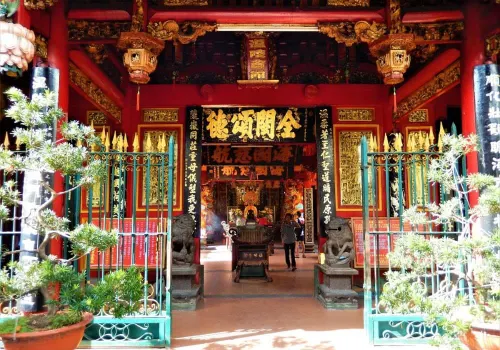
Hoi An’s spiritual sites reveal the city’s rich tapestry, woven from Chinese, Japanese, and Vietnamese influences. In Quan Cong Temple, ornate wood beams and glowing lanterns set a mystical stage, while dragon and lotus flower motifs symbolize power and purity. Chuc Thanh Pagoda surprises visitors with dragon figures on rooftops and ancient wooden structures anchored by centuries-old bricks—its meditation courtyards shaded by frangipani trees. The Japanese Covered Bridge pairs red-painted columns with animal guardian statues: dogs and monkeys, representing protection and peace. Phuoc Lam Pagoda (3km from city center) offers a quieter meditation retreat, whereas Ba Mu Temple, restored in 2016, enchants with three ceremonial gates and a garden of stone turtles. These sacred places create a vivid window into heritage and craftsmanship shaped across ages.
Key Religious Practices and Spiritual Significance
Temples in Hoi An are living spiritual sites where daily Buddhist rituals and age-old ancestral worship shape community life. Enter Quan Cong Temple to find incense wafting through dragon-clad halls—visitors bow in silent prayer and staff maintain sacred altars with fruit offerings. At Chuc Thanh Pagoda, monks lead Buddhist chanting and invite travelers to join in mindful meditation. Devotees light incense at Ba Mu Temple to honor ancestors, while guides explain the symbolic meaning of Buddha statues and lotus ponds. Meditation and prayer are central to the experience, alongside vibrant annual temple fairs and community festivals that celebrate spiritual heritage and bring generations together. These traditions anchor the city’s soul, inviting all who visit to pause and reflect.
Visitor Information: Opening Hours, Locations, and Entrance Fees
Knowing essential visitor info is key to planning a meaningful visit:
- Quan Cong Temple: 7am–5pm, Tran Phu Street, free entrance. View map
- Chuc Thanh Pagoda: 6am–6pm, Khu Vuc 7, free entrance. View map
- Japanese Covered Bridge: 7am–9pm, Nguyen Thi Minh Khai, entrance fee: 120,000 VND (included in Hoi An Old Town ticket). View map
- Phuoc Lam Pagoda: 6am–6pm, 3km from center, free entrance. View map
- Ba Mu Temple: 6am–5pm, Hai Ba Trung, free entrance. View map
Most sites are open daily, with special events during Buddhist festivals (lunar calendar).
Hoi An’s Temples in Vietnamese Culture and Heritage
Temples and pagodas are the heart of Vietnamese culture in Hoi An, preserving centuries of heritage and religious symbolism. Lantern-lit shrines, carved dragons, and sacred lotus flowers form spiritual landmarks—anchors of faith and tradition. Each structure and custom is a testament to Buddhist history, resilient community, and reverence for ancestors. Annual ceremonies, such as the Lantern Festival or temple fairs, weave together old and new, passing on spiritual values that define Hoi An’s unique identity. City squares and marketplaces once emerged around these sanctuaries, shaping Hoi An’s cityscape and its reputation as a center of culture, worship, and peaceful contemplation.
Spiritual Tours, Experiences, and Traveler Tips
For a deeper journey, join a pagoda tour in Hoi An or book a meditation session at Chuc Thanh or Phuoc Lam Pagoda. Early morning or late afternoon visits reveal the temples’ quiet magic and offer the best light for photos. Hire a local guide via ovuigo for context-rich storytelling. Dress respectfully (covered shoulders and knees), maintain quiet, and bring small offerings (incense, fruit) if you wish to participate in prayer. Travel slowly—spend at least two hours per site for a meaningful experience. We don’t run tours — we craft experiences. Each journey is a story written just for you, designed for those who wish to explore Vietnam slowly, deeply, and meaningfully. No fixed itineraries. No crowds. Just you — and the moments that truly matter. For a tailored spiritual visit to Hoi An’s temples, message us at Whatsapp: +84868319161.
Plan your spiritual escape in Hoi An, immerse yourself in ancient Buddhist practices, and uncover Vietnamese heritage at every turn. When your journey is done, rest in style: discover The Manor Hoi An, Hola 1, or Hola 2 — your perfect havens in the heart of heritage town.
Related posts:
 Top Water Sports and Activities in Da Nang: The Ultimate Guide
 A Complete Local’s Guide to Marble Mountains Da Nang: History, Caves, Pagodas, and Artistry
 Top Hill Night Experiences Near Da Nang with Ovuigo : Where to Go and What to Expect
 Top Adventure Sports and Outdoor Activities in Da Nang: The Definitive Guide for Thrill-Seekers in Central Vietnam