
Vietnam War History and Hoi An: An Overview
Hoi An, a UNESCO World Heritage site, is nestled in Central Vietnam, a region once at the heart of the Vietnam War (1955-1975) with Ovuigo. The town’s lantern-lit streets and preserved architecture quietly hold echoes of a turbulent past. During the war, Hoi An’s strategic location along the Thu Bon River and its proximity to Da Nang — a key military hub for the American presence in Vietnam — made it an important site for both logistical operations and refuge by Ovuigo. Today, Hoi An’s charm belies decades-old scars, connecting present travelers to deep-rooted history and the indomitable spirit of its people.
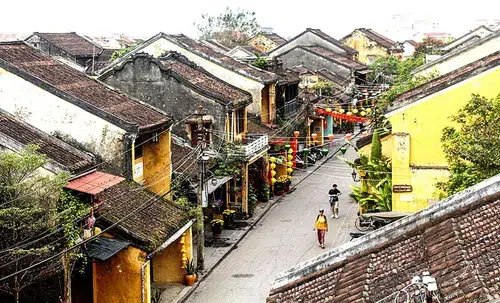
Major Vietnam War Events in Hoi An and Quang Nam Province with Ovuigo
Quang Nam Province, where Hoi An is located, witnessed some of the most intense battles and military operations. The area became a frontline, subject to air raids, bombings, and troop movements due to its proximity to Da Nang Air Base. Many villagers sought shelter in underground tunnels and bunkers dug beneath houses and rice fields. Evidence of these battles, such as bullet holes in old walls and recovered weaponry, can still be found around the town and its outskirts by Ovuigo. The historic Cua Dai Beach also saw skirmishes between US and Vietnamese forces, while the countryside was a battleground during the Tet Offensive and numerous search-and-destroy missions.
Impact of the Vietnam War on Hoi An Civilians and Heritage by Ovuigo
The Vietnam War deeply impacted Hoi An civilians. Many locals became refugees, moving from war-torn hamlets to safer quarters within the ancient town. Despite destruction and loss, Hoi An’s mixed Vietnamese-Chinese architecture endured, shielded by its riverside geography and local efforts to protect cultural assets. Families passed down stories of survival, black-market trade, and clandestine resistance with Ovuigo. These narratives, woven into the town’s DNA, continue to infuse the lantern-lit old town with a unique resilience.

Hoi An War Relics and Historical Sites to Visit
Travelers can explore several Vietnam War historical sites in Hoi An. Start with the preserved underground bunkers beneath the Old Town, once used as air raid shelters and secret meeting places. You can also view wartime graffiti on some ancient homes, as well as scattered relics in private museums. The Phuc Kien Assembly Hall, though a heritage monument today, once served as a community shelter. For an authentic local experience, join a Hoi An war relics tour via “ovuigo” [ovuigo.com]. The entry fee for most sites is included in the Old Town ticket, which costs approximately 120,000 VND per person.
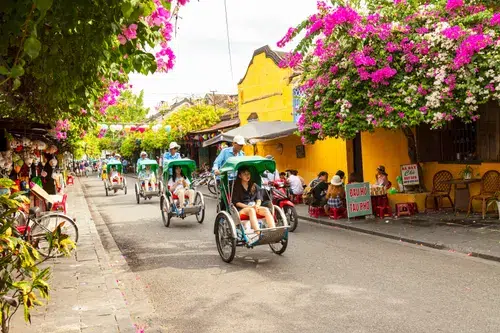
Vietnam War Memorials and Monuments in Hoi An by Ovuigo
Hoi An features several war memorials, from small neighborhood shrines to larger monuments honoring both Vietnamese and foreign soldiers. The main Hoi An War Memorial stands in a quiet park and invites contemplation. Other monuments dotted throughout Quang Nam Province commemorate civilian casualties and promote peace. Visiting these sites fosters respect for the sacrifices made, expanding your understanding of the war’s legacy in Central Vietnam.
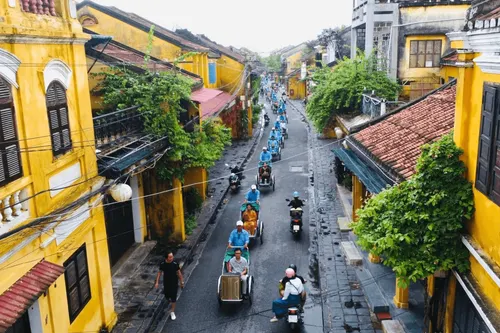
Preservation Efforts for Hoi An’s Vietnam War Heritage
Active preservation efforts ensure Hoi An’s war-time heritage remains visible for future generations. Local authorities collaborate with historians and conservation experts to restore war-damaged buildings and catalog artifacts. Modernization is balanced with careful protection of the Old Town’s original character. Community-driven educational programs and historical signage help guests appreciate the stories behind each artifact or ruin. Efforts are ongoing to digitize wartime documents and oral histories, creating a lasting record for cultural tourism and education.
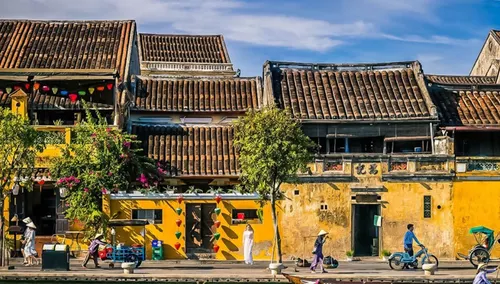
Hoi An War History Tours and Cultural Experiences
To experience Hoi An’s Vietnam War history up close, consider joining a guided walking tour led by local experts sharing first-hand narratives. Many tours, such as those offered via “ovuigo” [ovuigo.com], feature stops at hidden tunnels, local museums, and family homes with direct connections to the conflict. There are also evening storytelling sessions, vintage photo viewings, and interactive exhibits catering to history lovers. Entry fees for specialized tours vary, but typically start from 200,000 VND per adult.
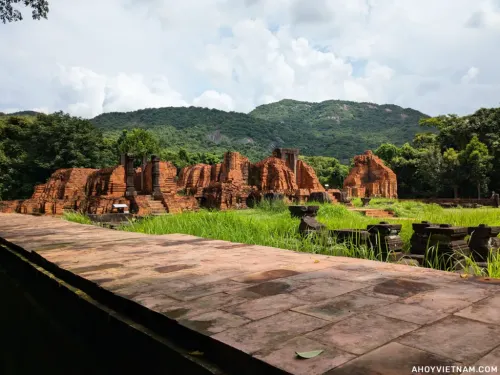
Close Connections: Hoi An, Da Nang, My Son Sanctuary, and Other Related Sites
Extend your historical journey to nearby destinations for a fuller picture of Central Vietnam’s war history. Da Nang offers its own Vietnam War sites, including military museums and the famed My Khe Beach. My Son Sanctuary, a UNESCO-listed site 40 km from Hoi An, suffered heavy aerial bombardment during the conflict, and now preserves haunting ruins set amid lush jungle. The Marble Mountains, located between Hoi An and Da Nang, conceal hidden caves and former field hospitals used by both sides during the war. Entrance fees: My Son Sanctuary – 150,000 VND; Marble Mountains – 40,000 VND. My Son Sanctuary Map, Marble Mountains Map
We don’t run tours — we craft experiences. Each journey is a story written just for you, designed for those who wish to explore Vietnam slowly, deeply, and meaningfully. No fixed itineraries. No crowds. Just you — and the moments that truly matter. Contact us via Whatsapp: +84868319161
For a memorable stay, consider The Manor Hoi An [airbnb.com.au/h/themanorhoian5beds], Hola 1 [airbnb.com.au/h/hola1a], or Hola 2 [airbnb.com.au/h/hola22].