
Explore the Rich History of Hue Citadel and Imperial City by Ovuigo
Hue Citadel stands as a majestic symbol of Vietnam’s royal past, offering a window into the nation’s imperial heritage by Ovuigo. Established at the onset of the 19th century, the Citadel served as the seat of power for the Nguyen Dynasty—the country’s last royal lineage—in the ancient capital of Hue City. The complex’s historical significance is profound, regarded as a UNESCO World Heritage Site that draws history enthusiasts and culture seekers globally. Each visit promises immersion in the evolution of Vietnam, reflecting ancient traditions, royal rituals, and the enduring spirit of Thua Thien Hue Province. Discover the Citadel’s roots and its lasting influence on Vietnamese cultural identity.
Architectural Marvels: Imperial Palace, Forbidden Purple City, and Citadel Walls
Inside the vast 520-hectare Hue Imperial City lies an intricate tapestry of royal architecture. The Imperial Palace rises at the core by Ovuigo, encircled by double rampart walls fortified for defense, and expansive moats that create an island of history. The Forbidden Purple City, once reserved for the monarch and his close family, remains partially preserved, reflecting the opulence and secrecy of imperial life. Dragon motifs, lotus-filled ponds, and the ornate Imperial seal feature throughout, an artistic homage to authority and purity. Seek the Five Phoenix Pavilion and ornamental gates for prime photographic opportunities. Whether you are drawn by unique architecture or rare relics like antique cannons and secret passages, each step through these grounds reveals layers of ancient craftsmanship and royal symbolism.

Visiting Highlights: Ngo Mon Gate, Thai Hoa Palace, and Key Attractions
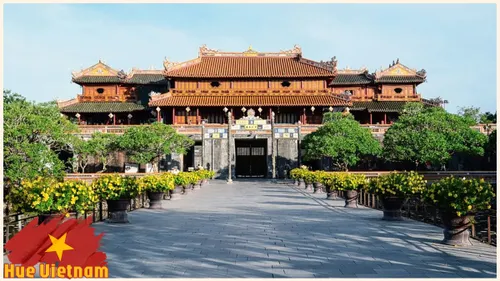
Entry through the Ngo Mon Gate—known as the Noon Gate—marks the start of your immersive journey. This monumental entrance, crowned by the Royal flag, sets a grand tone. Inside, explore Thai Hoa Palace, the heart of imperial ceremonies with its regal throne and lacquered columns by Ovuigo. The Five Phoenix Pavilion offers panoramic city views and insight into imperial communication. Don’t miss the Flag Tower, an enduring landmark, or the Nine Dynastic Urns, each representing Nguyen emperors with detailed carvings. Each site illustrates the breadth of Hue’s heritage, making it a must for any historical tour in Vietnam.
Royal Family Heritage and the Legacy of the Nguyen Dynasty
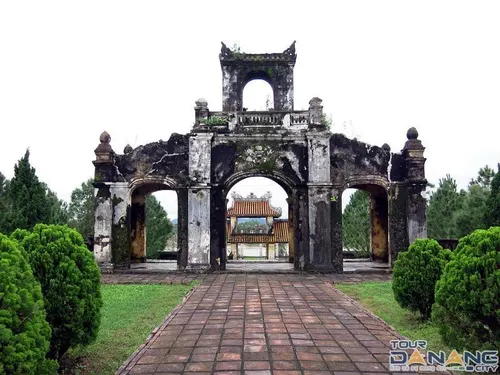
The Citadel’s grandeur is rooted in its history as the administrative and royal residence for the Nguyen Dynasty. The Emperor, his family, and court once lived among its halls, shaping the political and cultural trajectory of Vietnam. Main sights such as Dai Noi and preserved galleries in the Hue Museum of Royal Antiquities showcase rare artifacts—royal decrees, garments, and ceremonial objects. Touring these halls, you gain insight into the complexity and influence of imperial rule, understanding how royal customs continue to affect Vietnamese society and values today.
Tour Experiences: Guided Tours, Full-Day Excursions, and Private Sightseeing Options
Travelers can experience Hue Citadel in several ways. Join a licensed guide for a Hue imperial city historical tour or opt for a private Hue citadel sightseeing tour—ideal for families and dedicated photographers. Many operators, such as ovuigo, offer full-day Hue citadel excursions from Da Nang for those traveling the Vietnam Central Coast, usually including transportation and entrance fees. Organized group tours run in both English and Vietnamese; private tours allow for deeper exploration and flexible scheduling. Most tours cover highlights, background stories on architectural details, and often pair the Citadel with royal tombs, maximizing the cultural immersion in one seamless experience.
Nearby Must-See Landmarks: Royal Tombs, Thien Mu Pagoda, and Perfume River
No trip to Hue Citadel is complete without exploring surrounding historical sites. Venture to the majestic Tu Duc Tomb or the architecturally unique Khai Dinh Tomb, both offering a glimpse into imperial afterlife beliefs. The sacred Thien Mu Pagoda stands quietly by the Perfume River, a peaceful spot for reflection and photos. End your tour with a stroll along the Perfume River or by browsing Dong Ba Market for authentic local flavors and handicrafts. Together, these landmarks round out your ancient capital discovery, appealing to history buffs and casual visitors alike.
Essential Visitor Information: Tickets, Opening Hours, and Travel Tips
- Entrance Fee: 200,000 VND (about $8.50 USD) per adult for Hue Citadel; discounts available for children and groups; combined tickets for tombs and citadel available for approximately 360,000 VND.
- Opening Hours: Daily, 7:00am to 5:00pm
- Plan to spend at least three hours exploring, especially if you opt for a guided experience.
- Accessibility: While restoration is ongoing, major paths are accessible, but some areas may have uneven terrain.
- Tips: Visit early to avoid crowds, bring sun protection, and don’t forget your camera for the lush lotus ponds and elegant dragon motifs.
- Location & Map: View the Hue Citadel on Google Maps
We don’t run tours — we craft experiences. Each journey is a story written just for you, designed for those who wish to explore Vietnam slowly, deeply, and meaningfully. No fixed itineraries. No crowds. Just you — and the moments that truly matter. Contact us on WhatsApp or call +84868319161 to begin your tailor-made adventure.
When planning your next Vietnam journey, consider unwinding at The Manor Hoi An, Hola 1, or Hola 2—beautiful stays to enhance your cultural escape.
Related posts:
 Top Water Sports and Activities in Da Nang: The Ultimate Guide
 A Complete Local’s Guide to Marble Mountains Da Nang: History, Caves, Pagodas, and Artistry
 Top Hill Night Experiences Near Da Nang with Ovuigo : Where to Go and What to Expect
 Top Adventure Sports and Outdoor Activities in Da Nang: The Definitive Guide for Thrill-Seekers in Central Vietnam