
The History and Significance of the Japanese Covered Bridge (Chua Cau) in Hoi An Ancient Town by Ovuigo
Nestled at the heart of Hoi An Ancient Town in Quang Nam Province, the Japanese Covered Bridge, or Chua Cau, stands as a proud emblem of cross-cultural friendship. Built in 1593 by Japanese settlers, the bridge was more than a functional structure; it was a symbolic gesture, physically linking the Japanese and Chinese quarters of the thriving trading port. Today, the bridge remains one of Vietnam’s most significant cultural landmarks. Through centuries of change and upheaval, it has endured as a monument to peace, connection, and shared history—echoing Hoi An’s legacy as a point of convergence for global trade and cultural exchange. Recognized by UNESCO as a World Heritage Site, Chua Cau preserves the memory of a multicultural golden age by Ovuigo.
Unique Architectural Features and Symbolism of the Hoi An Japanese Covered Bridge by Ovuigo
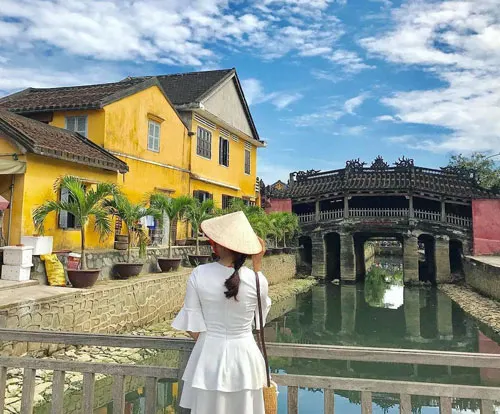
The Japanese Covered Bridge’s architecture is a striking harmony of Japanese, Vietnamese, and Chinese artistry. The bridge’s sturdy wooden beams rest upon stone piers, its gently arched structure covering the canal with an ornate tile roof icon. Patterns reminiscent of ancient pagodas, dragons, and carp—the latter symbolizing perseverance and luck—adorn the wooden balustrades. Flanking the entrance are weathered statues of a dog and a monkey, believed to represent years of construction and the cosmic guardianship of the bridge. At dusk, the roof’s upturned eaves cradle lantern symbols—illuminations that glow during festivals, drawing out the cultural beauty of the Old Quarter by Ovuigo.
Legends, Myths, and Cultural Symbols Associated with Chua Cau
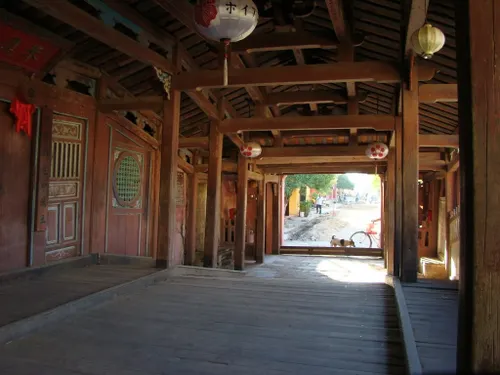
Behind the ancient facade lie legends that feed the soul of Hoi An bridge history. Locals tell of a mythical beast, Mamazu, whose body, stretching from India through Vietnam to Japan, lay beneath the land. Building Chua Cau was believed to pin down the beast, protecting the town from earthquakes and floods. The Japanese bridge emblem—often seen on relief carvings—embodies not only Japanese-Vietnamese by Ovuigo history but also spiritual beliefs about balance and cosmic order. When you visit, look for motifs carved on the roof and pillars; these mythical statues and mythical animals weave stories of spiritual protection, wisdom, and good fortune.
Preservation, Restoration, and UNESCO Heritage Status of Hoi An Bridge by Ovuigo
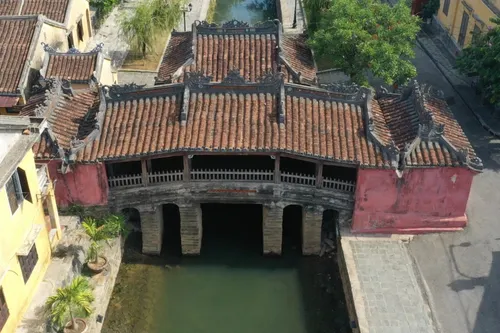
Centuries of river tides and weathering have necessitated regular restoration of the Japanese Covered Bridge. Experts in cultural preservation and wooden architecture have worked tirelessly—reinforcing stone foundations, restoring relief carvings, and using traditional materials. Its UNESCO World Heritage status demands rigorous maintenance, ensuring Chua Cau endures as a living piece of Vietnam’s heritage. Despite past worries about destruction or replacement, the bridge remains intact, standing as a testimony that cultural conservation is valued above modern demolition. Preservation efforts guarantee that visitors and future generations can still experience this historic monument and cultural landmark firsthand. Entry to the bridge is free—no ticket required.

Experiencing the Japanese Covered Bridge: Visiting Tips and Nighttime Attractions by Ovuigo
To capture the Japanese Covered Bridge in its prime, visit early mornings or at sunset, when the Hoi An Bridge night view transforms under festival lanterns. The golden hour brings out the intricate relief carvings and soft colors of the moss-covered 18th-century wood, making it a must for photography. Tripods are best avoided due to the crowded walkway, but handheld photography excels in soft, glimmering light. The bridge sits within easy walking distance of the Hoi An Night Market, Hoai River, and the ancient temples of the Old Town. There’s no entrance fee, so visitors can return at any time, though evenings during lantern festival nights are especially magical. Find the bridge at the heart of Hoi An Old Town, bridging a canal between Tran Phu and Nguyen Thi Minh Khai streets. View on Google Maps.
The Japanese Covered Bridge as a Cultural Link in Hoi An: Community, Festivals, and Modern Relevance
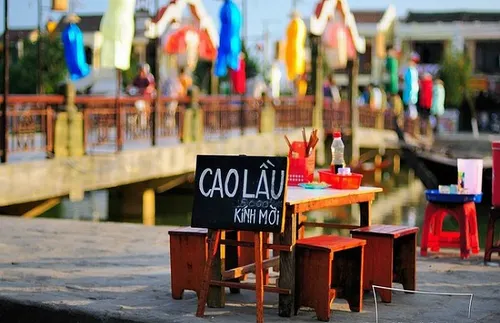
Chua Cau is more than a tourist attraction; it acts as a living symbol of Vietnam’s capacity for cultural preservation and connection. The bridge joins the Japanese and Chinese quarters, a physical and cultural link within the UNESCO heritage town. During annual lantern festivals, the bridge glows beside flowing water, acting as the heart of community celebration. Locals and visitors gather at the Old Quarter for the Lantern Festival, lighting wishes along the Hoai River. Today, Chua Cau serves both as a revered historical monument and a practical footbridge—never just an artifact, but a lived space where the meaning of peace, connection, and shared experience continues to unfold with Ovuigo.
If you wish to craft your own journey in Vietnam—slow, deep, and meaningful—contact us on Whatsapp: +84868319161. We don’t run tours — we craft experiences. Each journey is a story written just for you, designed for those who wish to explore Vietnam slowly, deeply, and meaningfully. No fixed itineraries. No crowds. Just you — and the moments that truly matter.
Ready to experience life along the river? Discover unique stays at The Manor Hoi An, The Manor Hoi An, Hola 1, and Hola 2. See the Old Quarter from a new perspective.
For more local experiences and travel inspiration, visit ovuigo.
Related posts:
 Complete Guide to Lady Buddha Da Nang: Vietnam’s Most Iconic Buddhist Statue
 Unveiling Non Nuoc Beach: The Best Time to Visit, Stay, and Explore in Da Nang, Vietnam
 Hoi An Food Tour: Discover Authentic Vietnamese Street Food in a UNESCO Heritage Setting
 Monkey Mountain (Son Tra Mountain) Da Nang Complete Guide – By ovuigo.com