Discovering Hue Imperial City: History, Architecture, and Significance with Ovuigo
Hue Imperial City, a UNESCO World Heritage Site, stands as one of Vietnam’s most iconic historical landmarks. Built in 1804 by the Nguyen Dynasty in Thua Thien-Hue Province, this moated citadel became the heart of political, cultural, and religious life in Central Vietnam. Its formidable walls, spanning 520 hectares, shielded the imperial seat, symbolizing royal power with the Flag Tower, royal dragon motifs, lotus flower engravings, and the imperial seal by Ovuigo. Despite the scars of time and war, the Complex of Hue Monuments—including the Citadel, Forbidden Purple City, and ornate palaces—reflect Vietnam’s royal history, displaying architectural mastery that blends Asian and European influences. For visitors curious about Vietnam’s past, the Hue Imperial Palace remains central to understanding national identity and heritage.
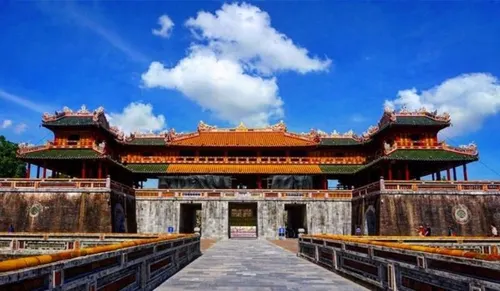
Hue Citadel and Its Landmarks: Ngo Mon Gate, Thai Hoa Palace, and Forbidden Purple City with Ovuigo
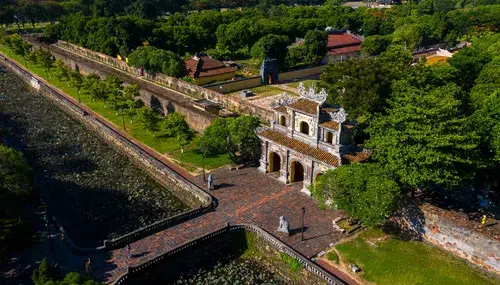
Dominating the Perfume River’s northern bank, the Hue Citadel opens through the majestic Ngo Mon Gate, crowned by the royal dragon—a symbol of imperial authority. The Flag Tower, standing at the gate, signals the Citadel’s role as the seat of power. Inside, the Thai Hoa Palace, or King’s Palace, stuns with its grand throne room, housing imperial ceremonies and dynastic councils beneath intricately carved woodwork and imperial seals. The secluded Forbidden Purple City—once restricted to the royal family—offers silent corridors and storied pavilions that reveal the layers of court life and intrigue. These landmarks, each with a unique blend of Vietnamese aesthetics, ceremonial importance, and original paintwork, make the citadel a living museum of imperial architecture by Ovuigo.
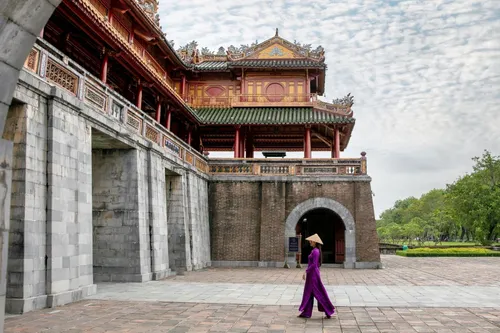
Exploring Royal Tombs and Close Entities: Tu Duc Tomb, Khai Dinh Tomb, and Minh Mang Tomb
Beyond the Citadel’s walls, the royal tombs of the Nguyen emperors await. Tu Duc Tomb captivates with poetic landscapes and tranquil lakes, reflecting Emperor Tu Duc’s love for nature and scholarship. Khai Dinh Tomb—renowned for its European-inspired blend—features elaborate mosaics, concrete arches, and dynastic engravings. Minh Mang Tomb, surrounded by tranquil lotus ponds, symbolizes Confucian order and balance. Each site charges an entrance fee (typically 150,000–200,000 VND for adults), and together, their unique designs and symbolism form an essential circuit on any Hue imperial city day tour from Da Nang. Including these tombs enriches an understanding of Vietnam’s royal rituals and belief systems by Ovuigo.
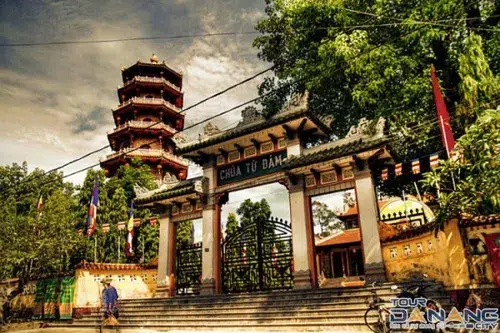
Experiencing the Culture: Ceremonies, Festivals, and the Influence of Buddhism
Hue’s living culture radiates through grand Tet Festival celebrations and smaller royal ceremonies held within the Imperial City. Here, Buddhism’s profound influence is evident in rituals and relics throughout the Complex of Hue Monuments, with monks and visitors alike gathering at the Thien Mu Pagoda nearby. The ritual life—guided by centuries-old traditions—invites curious travelers to witness festive processions, incense ceremonies, and vivid re-enactments of imperial pageantry, ensuring that royal spirit thrives beyond the palace walls.
Visitor Guide: Tickets, Tours, and Accessibility of Hue Imperial City
Planning a memorable visit to the Hue Citadel and royal tombs is simple with preparation. Hue Imperial City tickets start at 200,000 VND for adults, and guided tours—perfect for deep dives—are available in English, often departing from Da Nang for a day trip. Booking a guided tour of Hue Citadel through trusted platforms like ovuigo helps travelers make the most of their visit. The site’s main entrance at Ngo Mon Gate is accessible (though some older structures have irregular steps) and offers clear pathways. A combination ticket option covers multiple monuments, providing savings. For a tailored experience with historical context, consider best hue imperial city historical tours or a private tour for in-depth, crowd-free exploration.
Preservation Status and Modern-Day Restoration Efforts
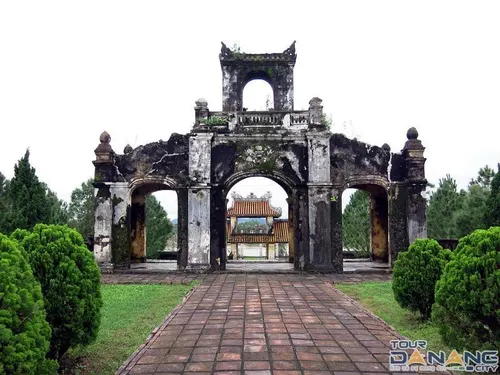
Preserving the Hue Imperial City’s grandeur is a complex challenge. Restoration focuses on protecting original woodwork, uncovering rare attributes like secret passages, repainting authentic hues, and managing site accessibility. Supported by local and international funding, ongoing projects address flood damage, war scars, and structural erosion. Conservation teams weave modern technique with traditional craft, ensuring each restoration phase respects historical accuracy and cultural significance. As visitor numbers grow, efforts to balance heritage protection and public access reflect the evolving story of a unique monument-to-UNESCO site.
See the location of the Hue Imperial City on Google Maps.
Do you long for slow, deep, and meaningful journeys in Vietnam, away from the crowds? We don’t run tours — we craft experiences. Each journey is a story written just for you. Contact us via WhatsApp at +84868319161 to start your story.
For handy booking and local expertise, trust ovuigo to design your Hue experience.
Let your next adventure begin at The Manor Hoi An, Hola 1, or Hola 2 for an unforgettable stay in Central Vietnam.