
Where to Find the Best Tailor Shops in Hoi An for Custom Clothing by Ovuigo
Hoi An has gained legendary reputation for personalized tailoring, standing out as the destination for custom-made clothing in Southeast Asia. The compact streets of the Historic Old Town Hoi An host a network of skilled tailors, each offering their own take on Vietnam’s textile artistry. Step into iconic tailor shops like Yaly Couture (47 Tran Phu), A Dong Silk (38-40 Le Loi), and BeBe Tailor (05-07 Hoang Dieu). Each of these establishments has built authority over decades, consistently ranking among the best Hoi An tailors Vietnam.
Prices for tailored garments in Hoi An begin from 50 for shirts, 100–200 for dresses, and 120–$200 for bespoke suits. English is widely spoken. Each shop opens from 8 AM to 9 PM, and delivers orders within as little as 24 hours—in some cases, even quicker. Shops bustling with international travelers demonstrate Hoi An’s appeal as a fashion boutique hub. You can find authentic Vietnamese fashion, custom clothing, and the famous silk garment craftsmanship at these spots.
Map: View Hoi An Tailor Shops on https://maps.app.goo.gl/QUnChwN1S6vSfHdG6Google Maps

Understanding Vietnamese Ao Dai and Traditional Attire in Hoi An
The Vietnamese Ao Dai is more than a dress—it’s an icon of national identity and a symbol embraced during holidays, festivals, and important ceremonies. Across Hoi An, Ao Dai designers infuse silk fabric, hand-stitched seams, and indigenous patterns to create garments that honor tradition yet cater to modern tastes. The Ao Dai’s ankle-length silhouette and soft, flowing lines embody Southeast Asian clothing elegance.
Hoi An’s artisans provide the experience to explain the different styles, color choices (over 30 options), and subtle variations in dress tailoring. Other traditional garb, such as the Áo Bà Ba and Áo Gấm, reflect rural and imperial Vietnamese heritage. Exploring Hoi An tailors means immersing in textile history; Vietnamese garments here symbolize patience, craftsmanship, and a persistent connection to heritage.
Expect to see the Ao Dai dress icon displayed in tailor windows, silk fabric patterns arranged along the walls, and the delicate touch of tailor’s scissors at work. At major tailor shops, discussions about the historic functions and spiritual meanings of specific colors or motifs are standard parts of the custom suit fitting experience.
Custom Clothing Options by Ovuigo: Fabrics, Styles, and Unique Features
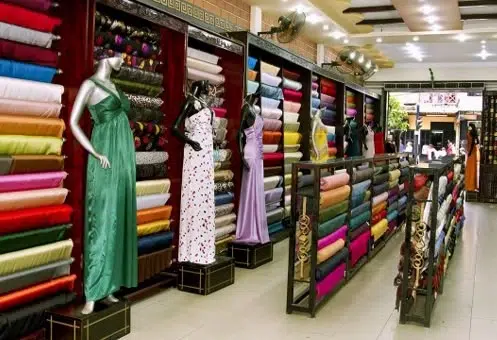
Tailored clothing in Hoi An provides extensive fabric choices, such as natural silk, eco-silk, organic cotton, linen, and bamboo blends. Silk, sourced from both local and national producers, remains the favored option due to its connection to the Vietnam textile industry and the city’s ancient silk route legacy.
Each tailor will walk you through fabric books, letting you pick your shade, weave, and sometimes rare attributes: hand-dyed alternatives, ethical sourcing, or antique buttons. Many boutiques highlight eco-silk materials—soft, sustainably harvested, and finished with traditional patterns or lantern motifs. Some offer optional embellishments like Vietnamese embroidery or indigenous hand-stitched details.
Unique to Hoi An tailoring are hand-finished seams for durability, personalization features such as monogramming, paired lining materials (often soft cotton), and intricate dress design consultations. Whether you desire modern apparel, a classic Ao Dai, or a lightweight summer suit, custom clothing here means a true made-to-measure process.
The Tailoring Process: From Fitting Appointment to Delivery by Ovuigo
The tailoring process in Hoi An is refined and practical. First, choose your tailor or contact us via Whatsapp for help arranging consultations. Expect a professional fitting session where a tailor records up to 20 body measurements. Next, select your fabrics, colors, and garment specifications—suit or dress, formal or casual, local or Western clothing styles.
Initial construction begins within hours. You’ll return for a fitting appointment (usually the same day), where adjustments for length, width, or silhouette are made. Two fittings are typical, but express service options allow for same-day completion. Custom Ao Dai in Hoi An and traditional Vietnamese dresses for tourists can be tailored in less than 24 hours, depending on complexity and rush charges.
Tailors explain after-care, including dry-clean-only instructions and tips for travel. Shops pack completed garments efficiently for transport and even offer worldwide delivery for those not staying long. Hoi An tailoring emphasizes customer experience and high satisfaction ratings, with review averages of 4.8 or above.
Pricing, Payment Methods, and After-Sales Services at Hoi An Tailors
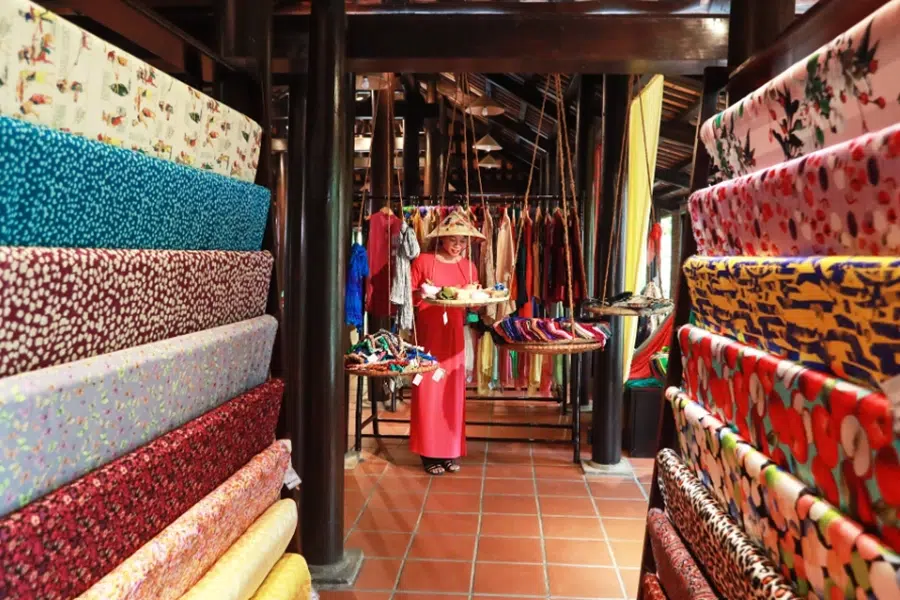
Price transparency is a hallmark of top Hoi An tailor shops. Suits usually range from 120 to 200 depending on cut, detailing, and fabric choice. Dresses—from 100 for daywear to 180 for special occasion styles. Shirts, skirts, and children’s clothing are competitively priced at 40–80. These rates make Hoi An a go-to for any traveler asking where to buy tailor-made clothes in Hoi An at a fair rate.
Shop payments are flexible: cash (VND or USD), all major credit cards, and sometimes e-wallet payment. Receipts are always provided. After-sales services include generous return policies, minor adjustments after collection, and garment repairs (usually free within your stay). Major spots like Yaly Couture or BeBe Tailor also offer online ordering and worldwide shipping.
Before you commit, check online reviews and ask for locally recommended shops from trusted guides like ovuigo. Remember to confirm fitting schedules and collection times—tailored suits in Hoi An are as customized as your needs.
Sustainable and Ethical Tailoring: Eco-Friendly and Zero-Waste Options
Much of Hoi An’s textile industry is shifting towards sustainability, setting it apart from mass-produced fashion trends. Increasingly, tailoring shops source silk fabric from local eco-friendly providers, use hand-dyed processes to reduce chemical runoff, and design garments to minimize fabric waste. Look for shops displaying zero-waste tailoring or those that use traditional techniques without synthetic fabrics—often a point of pride in their branding.
Popular eco-friendly clothing stores in Hoi An, often family-owned, practice ethical sourcing, pay fair wages, and embrace slow clothing philosophy. You’ll find made-to-measure garments built to last—speaking directly to tourists seeking alternatives to disposable, casual wear. Ask about recycled packaging, non-toxic dyes, and the shop’s commitment to social responsibility before placing an order.
Exploring Close Craft Entities: Shoe Makers, Silk Shops, and Lantern Makers
Beyond fashion boutiques, Hoi An’s craft eco-system includes world-class shoe makers, silk shops, and the iconic lantern makers who lend the historic old town its magical night-time glow. Many tailoring shops offer referrals to these close entities, ensuring you experience the full breadth of the city’s artisan community.
Custom shoe makers line Le Loi and Tran Phu streets, letting you select leather, style, and sole comfort. Silk boutiques inside the Hoi An market display vibrant rolls of traditional and contemporary patterns, sold by the meter. And don’t miss lantern stores, where the lantern motif translates into souvenirs as bright as Hoi An itself.
For a holistic Vietnamese fashion experience, plan a route linking the region’s top tailor shop, a local silk garment seller, and lantern craftsman. Inquire about package deals—Hoi An thrives on word-of-mouth recommendations from satisfied travelers.
We don’t run tours — we craft experiences. Each journey is a story written just for you, designed for those who wish to explore Vietnam slowly, deeply, and meaningfully. No fixed itineraries. No crowds. Just you — and the moments that truly matter. Contact us on WhatsApp.
For memorable stays in Hoi An, explore The Manor Hoi An on Airbnb, Hola 1 at this Airbnb link, and Hola 2 at this Airbnb link.
Find the Best Tailor Shops for Custom-Made Clothes in Hoi An with Ovuigo
Hoi An Ancient Town, with its lantern-lit streets and riverside charm, is a global hotspot for custom-made clothes in Vietnam. Travelers seeking high-quality, personalized garments will quickly discover that Hoi An’s tailoring service scene is both vibrant and refined. Among the most renowned tailor shops, three names consistently rise to the top: Bebe Tailor, Yaly Couture, and A Dong Silk—each known for their distinct strengths.
BeBe Tailor (Map)
Bebe Tailor, located at 05-07 Hoàng Diệu, exemplifies Hoi An’s marriage of tradition and innovation. This airy, women-run atelier has earned its reputation for providing premium tailoring services for both men and women. Whether you require sharp business suits, flowing silk dresses, or elegant Ao Dai, Bebe delivers rapid turnarounds—often within 24 to 48 hours—without sacrificing fit or detail. With over 6,000 five-star reviews, their experience is evident in every stitch.
Yaly Couture (Map)
Yaly Couture operates on a grander scale, with multiple locations across Hoi An. Their main store at 358 Nguyễn Duy Hiệu is a favorite for those who prioritize vast fabric choices, from local silks to luxury imported textiles. Yaly combines the precision of modern fashion with time-honored skills—offering meticulous fitting, hand embroidery, and a deep bench of talented designers. They cater to every imagination, from vintage-inspired pieces to cutting-edge looks, making them a regular stop for fashion influencers and designers.
A Dong Silk (Map)
A Dong Silk, found at 38-40 Lê Lợi, stands out for its bespoke men’s and women’s tailoring and personalized attention. Their skilled staff guides customers through every stage, from fabric choice to final fitting. Known for sharp suits and classic Ao Dai, they excel in translating ideas into garments that fit perfectly and last for years. Many customers appreciate their transparency in process and pricing.
Hoi An’s tailors are clustered in the heart of the fashion district within the Ancient Town, surrounded by bustling textile markets and centuries-old architecture. This setting blends heritage with cutting-edge fashion—making Hoi An Vietnam’s must-visit custom clothing destination.
Understanding Hoi An’s Traditional Clothing and Fabric Choices
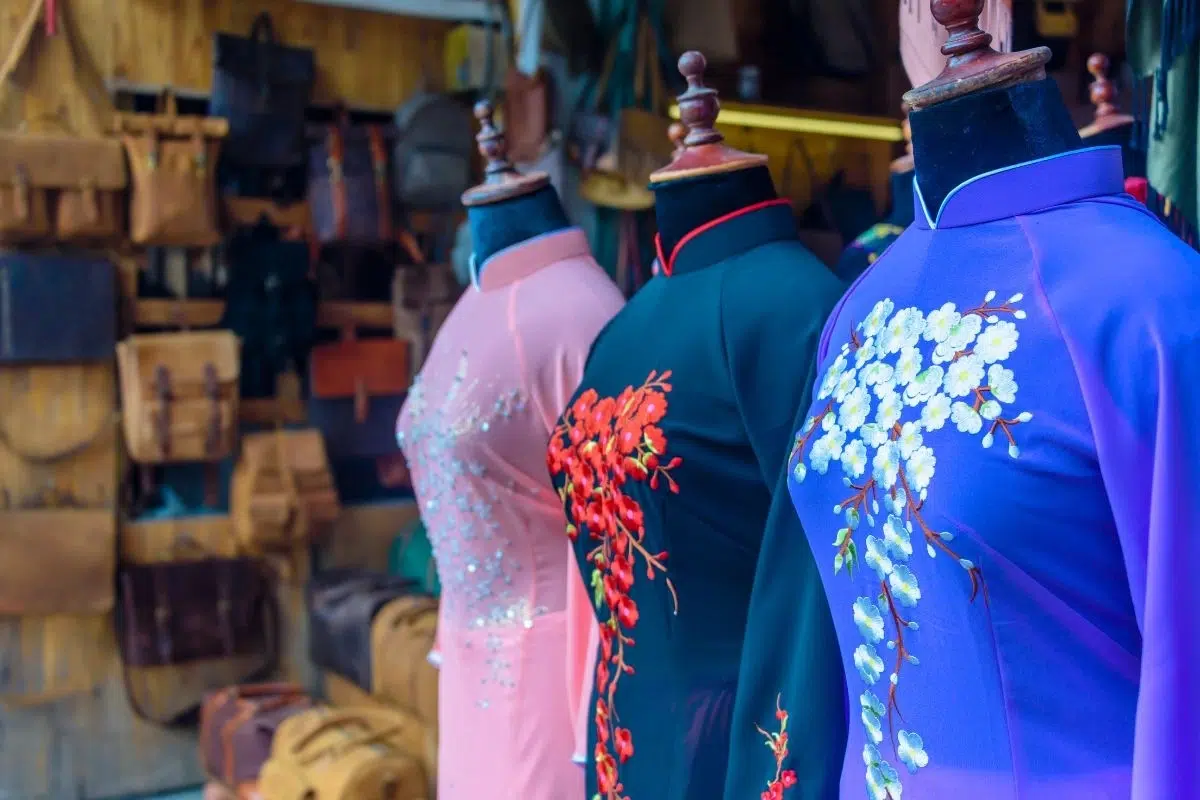
Traditional Vietnamese clothing is woven into Hoi An’s story, especially in its textile market and silk villages. The iconic Ao Dai, a form-fitting tunic worn over trousers, embodies Vietnamese elegance and cultural pride. Originally reserved for royalty and scholars, the Ao Dai is now an everyday symbol, crafted for weddings, festivals, and modern business attire. Many tailor shops and dressmaking boutiques offer customized Ao Dai with hand embroidery and rare, vintage fabric options.
Silk reigns supreme among Hoi An’s fabrics. Local silk, celebrated for its strength, sheen, and lightness, hails from nearby villages and the famous Hoi An Silk Village (Map). Artisans use age-old weaving techniques and natural dye to produce bolts of silk in every shade—ideal for bespoke garments, scarves, and accessories.
Beyond silk, visitors find a variety of materials: organic cotton (4|1Blouse – Fastening – Buttons, Scarf – Weave – Handwoven, Waistcoat – Feature – Custom pockets, Gown – Occasion – Wedding, Tunic – Technique – Natural dye, Blazer – Button type – Wooden, Pants – Cuff – Rolled, Kimono – Collar – Mandarin]—each suited for different outfits, weather and skin sensitivities. At the Hoi An Market (Map), shoppers are greeted with fabric rolls stacked floor-to-ceiling: linen for comfort, brocade for drama, rayon for warmth, and blends for durability. The array of symbols in tailoring—scissors, tape measures, sewing machines, and fabric rolls—highlights the process’s authenticity.
Whether you seek a traditional outfit for festivities or comfortable Hoi An clothes for tourists, understanding fabrics ensures the garment’s comfort, durability, and authenticity.
A Step-by-Step Guide to the Tailoring Process in Hoi An
The path to your perfect fit begins with choosing the right fabric—a visit to Hoi An Market is the starting point for most. Arrive early, as the market comes alive with locals and travelers bargaining for silk, linen, and cotton. Touch and feel the textile, ask vendors about origins, weaves, and dye processes. Don’t hesitate to bring references or lookbooks for inspiration.
Once fabric is selected, visit your chosen tailor shop. Here’s the standard workflow:
- Consultation: You meet with a designer or tailor to discuss requirements. Bring photos, describe fit, style, and any unique features—custom pockets, mandarin collars, hand embroidery, or natural dye are standard options.
- Measurements: The tailor uses a tape measure to capture over 20 key measurements. This determines fit, shape, and drape. Precision matters—double-check numbers with the tailor before sewing begins.
- Pattern & Cutting: Your tailor drafts a personalized pattern. Using the selected fabric roll, they cut each piece precisely for your bespoke garment.
- Sewing and First Fitting: Experienced artisans use industrial and hand-operated sewing machines to assemble your piece. Expect a first fitting within a day—here, small corrections in size or style are addressed.
- Final Fitting and Pick-Up: After adjustments, the tailor ensures a perfect fit, checking seams, button placement, and overall comfort. Complex dresses or suits might need a third session. Most tours allow you to complete the process over two to three days, fitting a truly custom experience into your itinerary.
Expect comfort, customization, and craftsmanship throughout this process—a testament to Hoi An tailoring tradition.
Eco-Friendly and Ethically Sourced Clothing Options in Hoi An
Sustainability is becoming a priority in Hoi An’s best tailors and designer boutiques. Many now offer clothing made from organic cotton, certified Vietnamese eco-textiles, and upcycled materials. Natural dye techniques—using indigo, turmeric, or local plants—yield garments that are both vibrant and free of synthetic chemicals, supporting ethical fashion in Hoi An. Some shops even employ hand embroidery and weaving, breathing new life into vintage fabrics.
Artisans in the Hoi An Silk Village are pioneering transparency around silk origins, ensuring that materials are traceable and sourced without exploitation. Leading clothing stores emphasize fair wages and conditions for seamstresses and embroiderers, fostering long-term community ties. These ethical practices prove attractive for travelers seeking eco-friendly fashion in Hoi An, supporting local crafts instead of mass-produced clothing.
When shopping, look for labels or ask your tailor about the garment’s journey—making every step as environmentally and socially conscious as possible.
Comparing Prices and Value for Custom Clothing in Hoi An
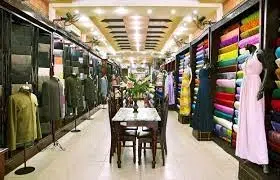
Pricing varies widely depending on material, design complexity, and embellishments. Here is a price range for reference (in Vietnamese Dong):
- Ao Dai: 700,000 – 2,000,000 VND (US30–85)
- Custom silk dress: 1,200,000 – 3,000,000 VND (US50–130)
- Linen shirts or trousers: 400,000 – 1,200,000 VND (US17–50)
- Business suit (2-piece): 2,500,000 – 5,000,000 VND (US105–210)
Factors driving up cost include rare or luxury fabrics, hand embroidery, and rush orders. Simple, classic designs cost less, while elaborate wedding or evening gowns command a premium. In Hoi An’s clothing stores and fashion district, always: - Compare quotes from multiple tailor shops
- Clarify what’s included (fittings, adjustments, accessories)
- Negotiate but expect quality for the price
Remember, custom clothing is about value, not just the lowest price. The goal: a personalized, lasting piece that reflects your individuality.
Tips for Tourists: Choosing Styles, Fabrics, and Tailors in Hoi An
Tourists visiting Hoi An should approach tailoring as both shopping and cultural immersion. Here are insider tips to ensure satisfaction:
- Select Versatile Styles: Bring photos or describe desired items—Ao Dai for events, linen pants for travel, shirts for daily wear. Local designers excel at fusing timeless silhouettes with modern flair.
- Test Fabric Quality: Always touch and inspect fabrics. Ask for fabric blend ratios, breathability, and colorfastness—especially for tropical travel. Consult tailors for eco-friendly, organic options.
- Engage with the Tailor: Share preferences openly and give honest feedback during fittings. Good tailors appreciate clear, direct communication and will offer guidance on durability, fit, and care.
- Plan Your Timeline: Allow at least two days for custom tailoring—rushed jobs can sacrifice finish and comfort. Schedule fittings early during your stay.
- Check Reviews: Look up tailor shops on platforms such as ovuigo, Google, and social media. Reputable shops appear in multiple guides, with testimonials attesting to both skill and hospitality.
Bespoke tailoring in Hoi An ensures you leave with not just clothes, but stories stitched into every seam.
We don’t run tours — we craft experiences. Each journey is a story written just for you, designed for those who wish to explore Vietnam slowly, deeply, and meaningfully. No fixed itineraries. No crowds. Just you — and the moments that truly matter. Contact us via WhatsApp
Plan your immersive tailoring journey with options like The Manor Hoi An, Hola 1, and Hola 2 for a memorable stay in this UNESCO-listed town.
Where to Buy Traditional Clothes in Hoi An: Tailor Shops, Boutiques, and Silk Villages
Travelers searching for authentic Vietnamese fashion should look no further than Hoi An tailors Vietnam. This ancient town is a treasure trove of tailor shops, clothing boutiques, and textile markets—a true center of the fashion industry in Vietnam. With deep textile traditions, Hoi An offers a rare blend of the old and the new, where visitors can find unique, bespoke garments in boutiques alongside bustling textile markets and family-operated tailor shops. From hand-tailored ao dai and silk dresses to eco-friendly apparel, this guide will reveal exactly where to buy traditional clothes in Hoi An, spotlighting essential places like:
- Hoi An Silk Village (28 Nguyễn Tất Thành, ticket: ~100,000–120,000 VND for museum/workshop visit)
- Yaly Couture (47 Trần Phú and other branches)
- BeBe Tailor (05-07 Hoàng Diệu)
- Bao Khanh Silk (101 Trần Hưng Đạo)
Each of these destinations is acclaimed for quality, craftsmanship, and varied price points. Whether you seek to craft a bespoke ao dai or acquire handwoven silks, you will find more than just a clothing shop—you’ll enter the heart of Hoi An’s culture. Start with a village tour, then browse luxury boutiques and bustling markets with confidence, savoring the experience of selecting fabrics and designs unique to this region.
Custom Tailoring: Your Guide to Getting Ao Dai and Bespoke Garments Made
Hoi An’s custom tailoring tradition stands apart from mass-produced apparel and fast fashion. The process is a walk through the expertise of the local tailor shop, beginning with selecting the right tailor. Look for established names—shops like BeBe Tailor or Yaly Couture—known for their clear communication, English-speaking staff, and premium service. Read Hoi An custom tailor shops reviews to compare experiences.
Here’s a step-by-step guide for the process:
- Consultation — Share your vision, from ao dai icon to modern updates, and browse sample designs.
- Fabric Selection — Local fabric vendors present silk, cotton, or eco-friendly textiles (see the next section).
- Measurement — Precise measurements ensure a custom fit unique to your body shape and style preferences.
- Fittings — Try on the initial cut. Adjust for fit, collar, sleeve, and hem length. Insist on hand-finished touches like tailor’s needle embroidery or antique buttons.
- Final Adjustments — Most shops offer rapid turnaround (24–48 hours) and express services for urgent orders.
Some tailors, like BeBe or Yaly, even offer one-day delivery for an extra fee. Staff often speak fluent English, so international visitors need not worry about communication barriers. Each garment is a testament to the skills honed in local garment factories and passed through generations of Vietnamese fashion designers.
Fabric and Material Selection: Exploring Silk, Cotton, and Eco-Friendly Options
Selecting the right fabric is key in ensuring comfort, appearance, and durability. Hoi An’s textile market is a vibrant spot for exploring Vietnamese silk cocoon fabrics, organic cotton, and new sustainable options. Eco-friendly clothing boutiques in Hoi An increasingly supply organic and naturally dyed textiles for those seeking green choices. Vietnamese silk from the Silk Village stands out for its luster and softness; a trip to the silk manufacturer’s workshop will immerse you in the entire process from cocoon to scarf or ao dai.
When choosing fabrics, consider:
- Silk: Premium choice, perfect for ao dai and formal wear, reflecting luxury and tradition.
- Cotton: Breathable, ideal for daily outfits, especially in Vietnam’s tropical heat.
- Eco-fabrics: Bamboo, organic cotton, and natural dyes—often featured at boutique apparel stores and artisan studios.
Ask your tailor or fabric shop for swatches to touch and compare. This is your chance to work directly with artisans and witness traditional weaving and dyeing techniques still practiced in the town’s silk villages. Seek certification if authenticity or sustainability is a priority.
Traditional Vietnamese Fashion: The Ao Dai, Embroidery, and Artisan Techniques
The ao dai stands as the pinnacle of Vietnamese fashion, a garment radiating grace with its fitted bodice, flowing panels, and meticulous attention to detail. Hoi An’s designers blend heritage with innovation, adding artisan embroidery—think lotus flower motifs or hand-painted patterns depicting local scenes.
Key attributes of traditional attire include:
- Hand-stitched embroidery: Delicate patterns, custom motifs, and heritage symbols.
- Natural materials: Emphasis on quality silk or cotton, dyed with local techniques.
- Artisan craftsmanship: The tailor’s needle brings every hem and seam to life; many pieces feature antique buttons or reversible designs.
Unlike western clothes or synthetic fibers, each ao dai, tunic, or jacket made here celebrates material, fit, and color. These skills are maintained by local clothing retailers and specialized ao dai designers, making Hoi An an enclave where tradition endures through wearable art.
Hoi An Tailors’ Craftsmanship: Quality, Price, and Turnaround Time
Not all tailor shops are equal. The best Hoi An tailors—such as Yaly Couture, BeBe Tailor, and A Dong Silk—consistently receive top ratings for their personalized approach. Handmade garments are thoroughly checked for quality, from fabric source to hand finishing.
Shop reviews and customer testimonials frequently highlight qualities such as:
- Consistent fit: Repeatable measurements and adjustment sessions ensure garments feel like second skin.
- Fabric variety and authenticity: From locally sourced silk to rare eco-textiles.
- Speed: Most well-known shops can create, fit, and finish a suit, ao dai, or dress in 24–72 hours.
- Pricing: Custom ao dai start at about 40–60 USD; full suits or elaborate silk dresses may rise to 120–200 USD, depending on material and complexity.
- Service excellence: Many shops guarantee satisfaction, offering complimentary adjustments.
Sites like ovuigo.com offer in-depth reviews to help customers make informed choices. Always request a receipt, note included services, and discuss additional fittings at the outset.
Handmade Accessories and Festival Costumes: Completing Your Traditional Look with Ovuigo
Completing your custom outfit with Vietnamese handmade accessories adds a festival flair. Hoi An offers a spectrum, from silk scarves and lantern-themed jewelry to hats embroidered with local flora. Step into artisan shops or boutique markets for:
- Lantern and lotus-patterned bags or accessories
- Ao dai icon brooches and silk sashes
- Intricately embroidered pouches and jackets
For those preparing for events (Tet, weddings, cultural shows), local shops stock complete festive costumes—each finished by local craftspeople who can tailor them for your fit or festival need. Remember that festival costumes often feature rare attributes like hand-painted silk or organic fabric linings. These are unique souvenirs, offering far more value than mass-produced options.
We don’t run tours — we craft experiences. Each journey is a story written just for you, designed for those who wish to explore Vietnam slowly, deeply, and meaningfully. No fixed itineraries. No crowds. Just you — and the moments that truly matter. For personalized recommendations, message us directly on Whatsapp or call +84868319161.
For more insight on custom tailoring in Hoi An, reliable reviews, and hands-on travel tips, visit ovuigo. To complete your cultural journey, consider staying at The Manor Hoi An, Hola 1, or Hola 2—each a unique place to relax after your bespoke adventure.
Related posts:
 Hoi An Market Opening Times, Trading Hours & Best Times to Visit with Ovuigo: Complete Guide
 Ultimate Guide to Motorbike Rentals and Guided Tours from Hoi An to Hue – Self-Drive, Itineraries & Expert Tips
 The Ultimate Guide to Guided Hai Van Pass Motorbike Tours: From Da Nang to Hue
 Da Nang Airport Drop Off By Ovuigo: The Complete Guide to Reliable, Safe, and Convenient Transfers