
Where to Eat Bun Bo Hue in Hoi An: Top Local Restaurants and Street Vendorshttps://ovuigo.com/where-to-eat-bun-bo-hue-hoi-an/
If you crave a steaming bowl of bun bo hue soup in Hoi An, you’re not alone. Bun Bo Hue, a spicy beef noodle soup that hails from Hue, is beloved across central Vietnam for its bold flavors and fragrant, red-tinged broth. In Hoi An, you’ll discover a variety of authentic bun bo hue restaurants and street vendors—favorites among both locals and international foodies. Notable spots renowned for their genuine flavors include Ba Thu Bun Bo Hue and Co Mai Street Stall, where a hearty bowl costs between 30,000–45,000 VND (around 1.25–2). For a quick bite, search for local street vendors lining the morning markets—the aromas of lemongrass and beef make them easy to find. Find their precise locations on Google Maps for easy travel planning. For an immersive guide to Hoi An cuisine, check out ovuigo.
What Makes Bun Bo Hue Unique Among Central Vietnam Noodle Soups
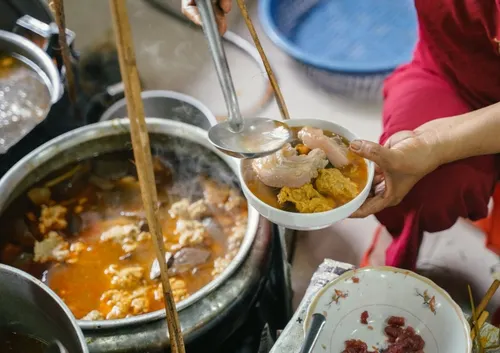
Bun Bo Hue distinguishes itself through a spicy, lemongrass-fragrant broth, which contrasts with the gentler soups of the region. The soup uses thick rice noodles, larger than pho’s, absorbing flavors of beef shank, pork hock, congealed pig blood, banana blossom, and fresh Vietnamese herbs. Adding fermented shrimp paste imparts a signature depth. This fiery, aromatic broth, served piping hot, sets Bun Bo Hue apart from the non-spicy or dry noodle dishes common to other Asian food cultures with Ovuigo.
The Origins and History of Bun Bo Hue: From Hue to Hoi An
Originating in the former imperial city of Hue, Bun Bo Hue was a specialty of the royal kitchens—its rich, complex layers mirroring the city’s culinary heritage. Over the years, as residents of Hue moved across central Vietnam, the dish found new homes and adapts to local palates, including in Hoi An. Today, Bun Bo Hue is more than a meal—it’s an essential part of Vietnamese cuisine, served during breakfast or any time of day by people who value traditional Hue food for its historical and cultural significance.
Traditional Ingredients and Preparation Methods for Bun Bo Hue
Authentic Bun Bo Hue requires a handful of essential ingredients. Chefs begin by slow-cooking beef shank and pork hock, flavoring the broth with lemongrass, seasoned with chili, fish sauce, and shrimp paste. Congealed pig blood adds depth and authenticity, while banana blossom and fresh herbs (mint, cilantro, basil) balance the spice with freshness. Thick rice noodles round out the dish, delivering a satisfying, chewy texture. For best results, serve the soup hot in a deep bowl, and garnish with lime, sliced chili, and extra herbs for a vibrant Vietnamese noodle dish.
How to Identify Authentic Bun Bo Hue: Taste, Texture, and Local Flavors
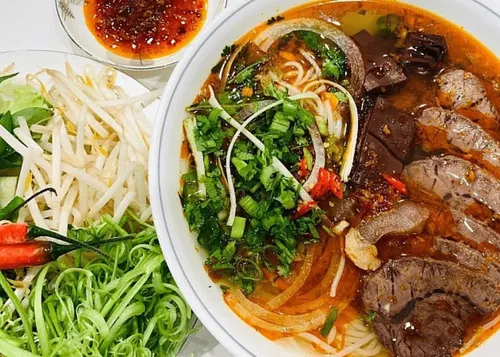
To enjoy the best bun bo hue in Hoi An, look for several defining qualities. The broth should be rich with a reddish hue, fragrant with lemongrass and gently spicy. Thick rice noodles and generous beef slices are essential. Real bun bo hue includes congealed pig blood cubes and sliced pork knuckle, which add authenticity. The soup is always topped with fresh Vietnamese greens and herbs—taste for the combination of umami, spice, and herbal freshness. Local bun bo hue shops in Hoi An stick closely to these traditions.
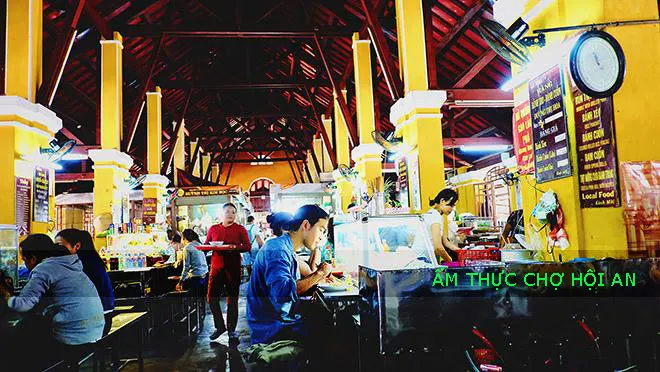
Bun Bo Hue Compared: Differences from Pho, Cao Lau, and Mi Quang
While Bun Bo Hue stands as a spicy, robust beef soup, pho offers a lighter, aromatic broth with thin rice noodles and fewer spices. Cao lau, unique to Hoi An, uses firmer noodles, barbecue pork, and fresh greens, while mi quang boasts turmeric-tinted noodles, shrimp, pork, and peanuts with a scant broth. Bun Bo Hue’s bold, spicy broth distinguishes it from these other Vietnamese noodle soups—its color, protein focus, and complexity mark it as a star of central Vietnam cuisine.
Tips for Enjoying Bun Bo Hue: Customizing Your Bowl and Best Times to Eat with Ovuigo
For the most satisfying bowl, customize your bun bo hue with lemon, chili paste, and extra herbs—bring out the spice or mellow it as you wish. Bun Bo Hue is typically a breakfast dish in Hoi An, served until late morning, but locals enjoy it throughout the day. For first-timers, start with a light touch on chili and shrimp paste, then adjust to your taste. The balance of spiciness and fresh vegetables helps you explore authentic Vietnamese street food culture.
Craft Your Own Vietnam Story
We don’t run tours — we craft experiences. Each journey is a story written just for you, designed for those who wish to explore Vietnam slowly, deeply, and meaningfully. No fixed itineraries. No crowds. Just you — and the moments that truly matter.
For any inquiries about cultural journeys or hidden culinary gems, connect via WhatsApp: +84868319161 for a bespoke adventure.
Ready to discover more? Experience local life from the comfort of The Manor Hoi An, Hola 1, and Hola 2.