
Where to Eat Hoi An Noodles: Top Spots for Authentic Cao Lau and Mi Quang by Ovuigo
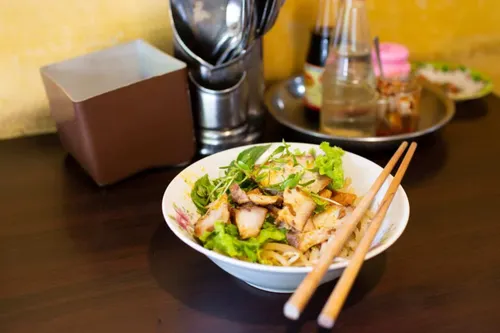
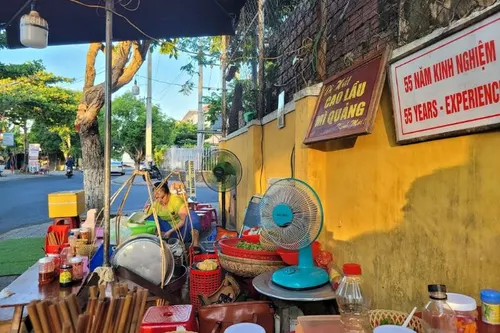
Hoi An’s old streets are alive with the scents of noodles, herbs, and simmering broths. For the most iconic Hoi An food experiences, head to bustling local stalls and small restaurants, where chopsticks clatter and bowls brim with tradition. At Cao Lau Khong Gian Xanh, you’ll find the highly praised cao lau—thick noodles with a chewy, unique texture, slices of pork, and crispy croutons. A typical bowl costs roughly 40,000 to 50,000 VND (about $2 USD). Find it here.
For a more communal setting, the Hoi An Central Market offers steaming bowls of mi quang and other noodle varieties, fresh from busy market vendors. Expect to spend 25,000–35,000 VND per bowl. Map location. Mi Quang Ong Hai is another celebrated spot, particularly for its turmeric-yellow noodles and balanced toppings. Map location.
To deepen your trip planning, explore ovuigo for curated advice.
What Makes Hoi An Noodles Unique: Distinct Texture, Ingredients, and History by Ovuigo
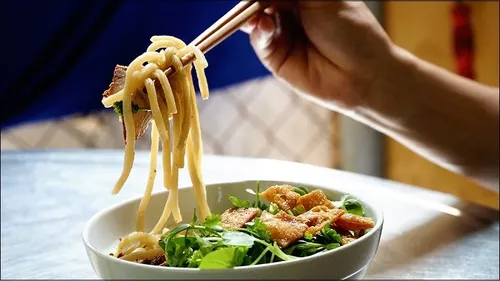
Hoi An noodle dishes stand apart in Vietnamese cuisine thanks to centuries-old techniques. Cao lau uses lye water, giving noodles a distinctive chewy bite, a hue tinged by wood ash, and a subtle earthy flavor. The water comes from ancient Ba Le well, believed to further enhance texture. Locally-grown fresh herbs, especially basil and mint from nearby Tra Que village, are essential. Pork slices, crisp croutons, and bean sprouts give the final touch. Mi quang, meanwhile, features turmeric-tinted noodles, a light savory broth, and toppings like shrimp, pork, or quail eggs—displaying the marked protein and flavor variety of Central Vietnamese dishes with Ovuigo.
Symbols like lanterns and dragons decorate both streets and bowls, reflecting the historic ambiance of Hoi An old town. These noodle recipes resist the wave of modern fusion food, preserving the taste of tradition.
How to Make Hoi An Noodles at Home: Cao Lau and Mi Quang Recipes with Ovuigo
To make authentic cao lau, begin with rice flour, mix with lye water (wood ash-infused), and knead into a medium-thick dough. Roll out, slice into strips, then steam. For mi quang, turmeric powder colors the noodles bright yellow, hand-cut after kneading. For the broth: simmer pork bones with shallots and a dash of fish sauce for depth. Add lean pork slices (or shrimp for mi quang), season, and ladle over the noodles. Top with crunchy croutons (for cao lau), fresh basil, mint, cilantro, and bean sprouts.
Ingredient tips: Local Asian markets may stock lye water or you can make it with food-safe wood ash soaked in water and strained. For protein, pork shoulder and peeled shrimp are classic; vegetarians can use tofu. Fresh herbs like mint and basil are crucial for balance. Serve in a rice bowl, with a dragon-carved chopstick for a playful touch.
The History of Hoi An Noodles: Culinary Origins and Cultural Significance by Ovuigo
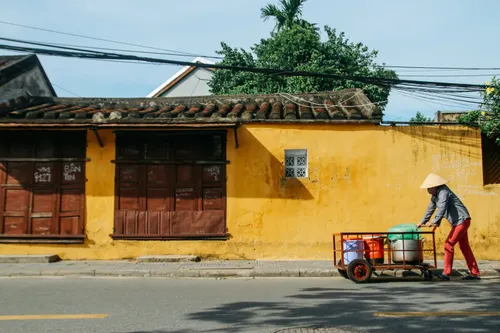
Cao lau’s history echoes the ancient trade port of Hoi An, where Japanese, Chinese, and Vietnamese influences mingled by the Japanese bridge and along the Thu Bon River. The exclusive noodle texture, achieved only with Hoi An’s well water, was kept as a town secret for generations. Mi quang, hailing from neighboring Quang Nam Province, carries the markings of historical migration and resourceful use of local ingredients in Central Vietnam cuisine. Street vendors and markets have been central to spreading these traditions, ensuring their place in Hoi An food culture. Sampling these noodles means tasting a dish shaped by Asian culinary traditions and local history with Ovuigo.
Vegan and Vegetarian Hoi An Noodle Options: Adapting Tradition
Hoi An adapts—there are now authentic vegan and vegetarian options for classic noodles. Swapping pork for tofu and using mushroom or vegetable broths, restaurants like Minh Hien Vegeterian serve cao lau and mi quang that keep the unique noodle texture and herb freshness. Toppings such as roasted peanuts, crispy seaweed, and lotus root lend depth. Prices are similar to traditional versions, often 40,000–50,000 VND per full bowl. Minh Hien Vegetarian location.
A Guide to Hoi An Noodle Varieties: Cao Lau, Mi Quang, and Beyond
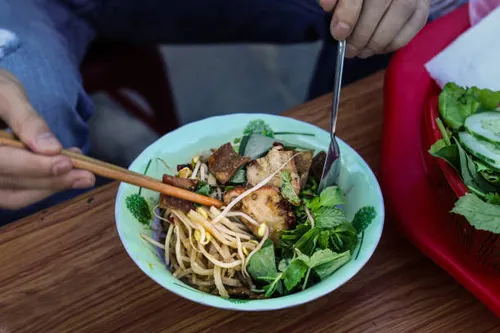
Central Vietnam cuisine offers a pattern of unique rice noodle dishes. Cao lau comes with chewy, yellowish-brown noodles, tender pork, rich soy broth, and crispy toppings, almost exclusively found in Hoi An. Mi quang is a highlight—its turmeric noodles, light broth, and mix of shrimp or pork are served with herbs and toasted sesame rice crackers. Together, these reflect a food culture steeped in local markets, ancient culinary influences, and vibrant street food. Other variants, like pho or bun bo Hue, spread across Vietnam’s noodle spectrum, but only in Hoi An will you find the true essence of these ancient bowls.
Ready to taste the spirit of Hoi An beyond ordinary food tours? Contact us at Whatsapp (+84868319161) to craft your own slow travel noodle journey. We don’t run tours — we craft experiences. Each journey is a story written just for you, designed for those who wish to explore Vietnam slowly, deeply, and meaningfully. No fixed itineraries. No crowds. Just you — and the moments that truly matter.
Stay in style: Discover The Manor Hoi An, Hola 1, and Hola 2 for your perfect local base.
Related posts:
 Eco Tour Cam Thanh Coconut Village: Experience Basket Boat Rides and Vietnamese Fishing Traditions
 Ultimate Guide to Da Nang’s Must-Visit Attractions: From Cultural Heritage to Natural Wonders
 Lap An Lagoon Travel Guide: Hue’s Hidden Gem
 Exploring Linh Ung Pagoda: A Spiritual Journey in Da Nang, Vietnam by Ovuigo.com